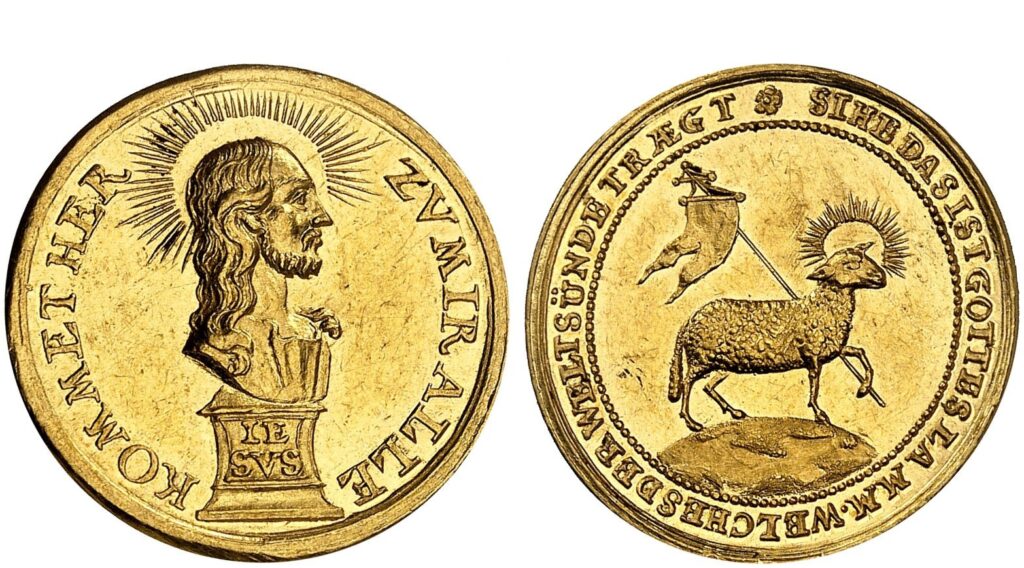
Ancient coins are far more than historic pieces of metal.
Each coin marks a moment in history.
They span the rise and fall of Roman emperors.
They include the civilizations of Ancient Greece, Byzantium, and the Islamic world.
Thus, for collectors and investors, Buy ancient coins provides a tangible piece of history.
But how do you Buy ancient coins, determine their authenticity, and understand what makes an ancient coin valuable?
Additionally, this guide explains the essential factors every collector should know before purchasing rare ancient coins.
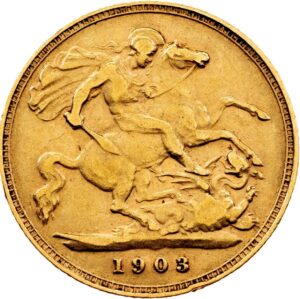
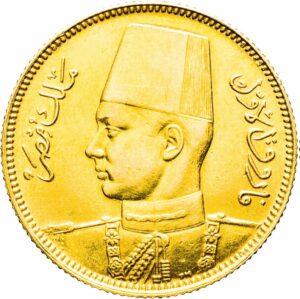
Civilizations of antiquity produced ancient coins, which generally span the Greek, Roman, Byzantine, Persian, and early Islamic worlds. Mints struck ancient coins in gold, silver, and bronze, and some surviving examples date back more than two thousand years.
Among the most sought-after examples are Roman coins, Greek coins, Byzantine coins and ancient Islamic coins, particularly rare gold and silver denominations connected to important rulers, cities and historical events.
The value of an ancient coin depends on considerably more than its age.
Moreover, several factors can dramatically influence its desirability and price, including Buy ancient coins.
Rarity is one of the most important factors. A coin may be thousands of years old but relatively common, while another may exist in only a handful of known examples.
Coins associated with famous rulers, significant historical events or important ancient civilizations can attract considerable collector interest.
Centuries of burial, circulation, and environmental exposure naturally affect ancient coins. Well-preserved examples with attractive surfaces, clear portraits and readable inscriptions are generally more desirable.
Ancient gold coins and ancient silver coins are particularly popular among collectors. Gold denominations from important periods and rulers can be especially scarce.
Provenance refers to the documented history of ownership of an ancient object. Established provenance can add confidence and historical context and is an important consideration when purchasing an ancient coin.
Learning how to identify ancient coins is one of the most rewarding parts of collecting. Collectors examine the obverse and reverse, inscriptions, portraits, symbols, weight, diameter, metal and overall style.
The ruler or figure depicted on a coin can often provide an important clue. Inscriptions may identify the emperor, king, city, mint or denomination.
However, identification should not rely on appearance alone. Expert examination and comparison with established numismatic references can be essential when dealing with particularly rare or valuable coins.
Authenticity is one of the most important considerations when buying ancient coins online.
Modern reproductions and counterfeit ancient coins exist, and sophisticated fakes can sometimes be difficult to identify. Collectors should therefore consider the seller’s reputation, authentication procedures, documentation, provenance and the coin’s physical characteristics.
For additional guidance, see our detailed guide on how to spot a fake ancient coin.
Never purchase an expensive ancient coin solely because it appears old. We should consider weight, fabric, style, metal composition, inscriptions, tooling, and other characteristics.
Some of the most fascinating ancient coins come from the great civilizations of the Mediterranean and Near East.
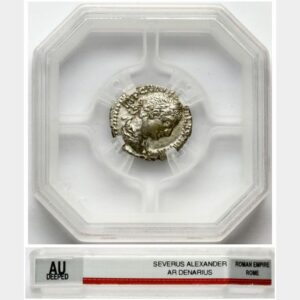
Roman coins can feature emperors, gods, military victories and important political events.
Greek coins are celebrated for their exceptional artistic quality, including portraits of rulers, gods, animals and mythological imagery.
Byzantine coins provide an extraordinary connection to the continuation of the Roman imperial tradition in the eastern Mediterranean.
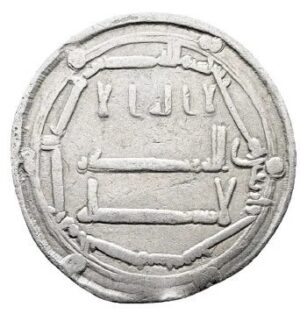
Islamic coins, including early gold dinars and silver dirhams, are particularly important for understanding the economic, political and cultural history of the Islamic world.
For collectors, each category offers a completely different collecting experience.
Choosing the right source is essential when purchasing ancient coins for sale online. Buyers should look for established dealers who provide clear descriptions, photographs, authenticity information and, where available, provenance documentation.
House of Emirates® is pleased to offer collectors and discerning clients a curated selection of rare ancient gold and silver coins, representing important civilizations and historical periods.
Our collection is designed for collectors who appreciate the combination of history, rarity, artistry and precious metals represented by exceptional ancient coins.
Ancient coins are primarily historical collectibles and should be approached with an understanding that prices can vary according to rarity, condition, provenance, market demand and authenticity.
Some exceptional coins have achieved very high prices at auction. The strongest reason to collect is often the combination of historical significance, rarity, beauty and ownership of an authentic object from antiquity.
Ancient coin prices can range from relatively affordable pieces to exceptionally valuable rarities. Rarity, condition, historical importance, authenticity, metal and provenance all influence value.
Rare ancient coins can be purchased through established specialist dealers, reputable auction houses and trusted online numismatic marketplaces. Always investigate authenticity and provenance before purchasing.
Some Roman coins are extremely rare and valuable, while others are relatively common. The emperor, denomination, mint, condition, rarity and historical significance are important factors.
Many ancient gold coins are highly collectible, particularly examples associated with important rulers and historically significant periods. Their rarity and precious-metal content can make them particularly desirable.
Collectors should generally avoid cleaning ancient coins without professional advice. Improper cleaning can permanently damage the surface and significantly reduce historical and numismatic value.
Whether you are fascinated by Roman coins, Greek coins, Byzantine coins, ancient Islamic coins, gold coins or silver coins, collecting ancient currency provides an extraordinary connection with the past.
The key is to buy carefully, understand authenticity and provenance, research rarity and condition, and choose reputable sources.
Explore the House of Emirates® collection of rare ancient coins and discover exceptional historical pieces selected for discerning collectors and connoisseurs.