Description
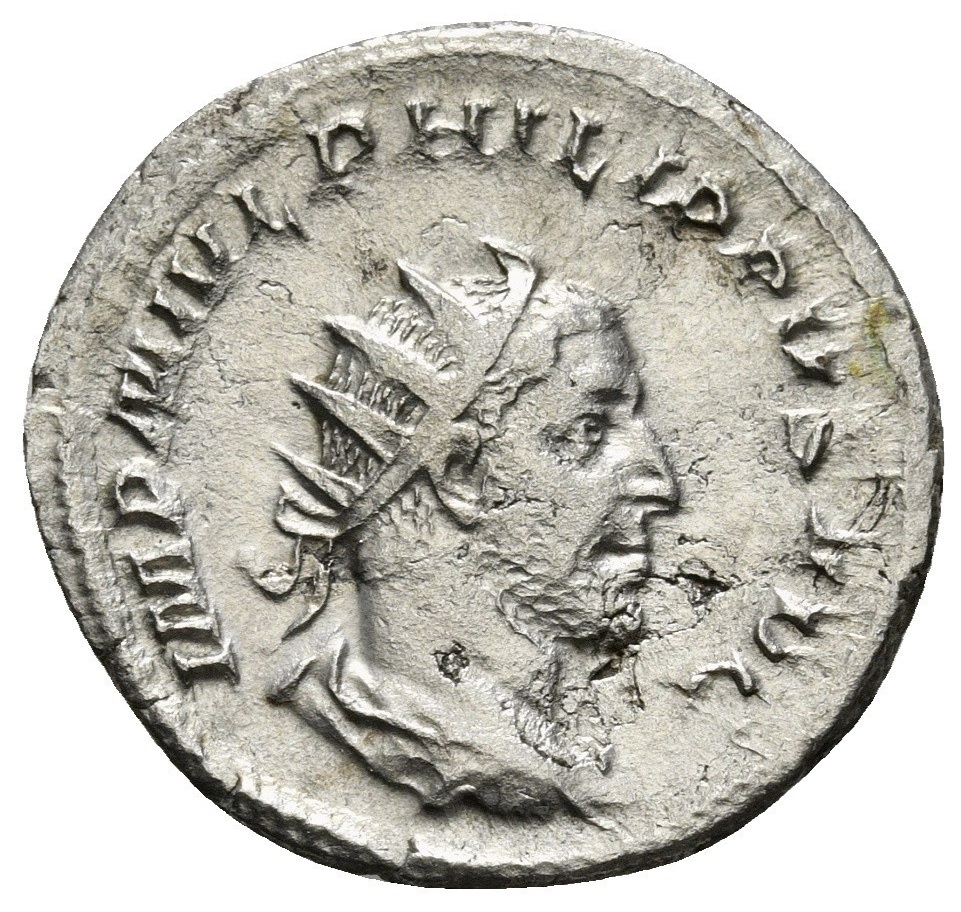
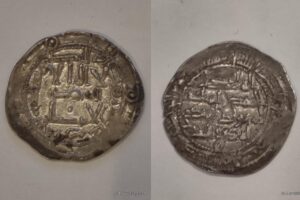
Step into the power and intrigue of ancient Rome with this exceptional Antoninianus of Emperor Philip I “The Arab” (AD 244–249), a striking silver coin that captures the authority and ambition of one of Rome’s most fascinating emperors.
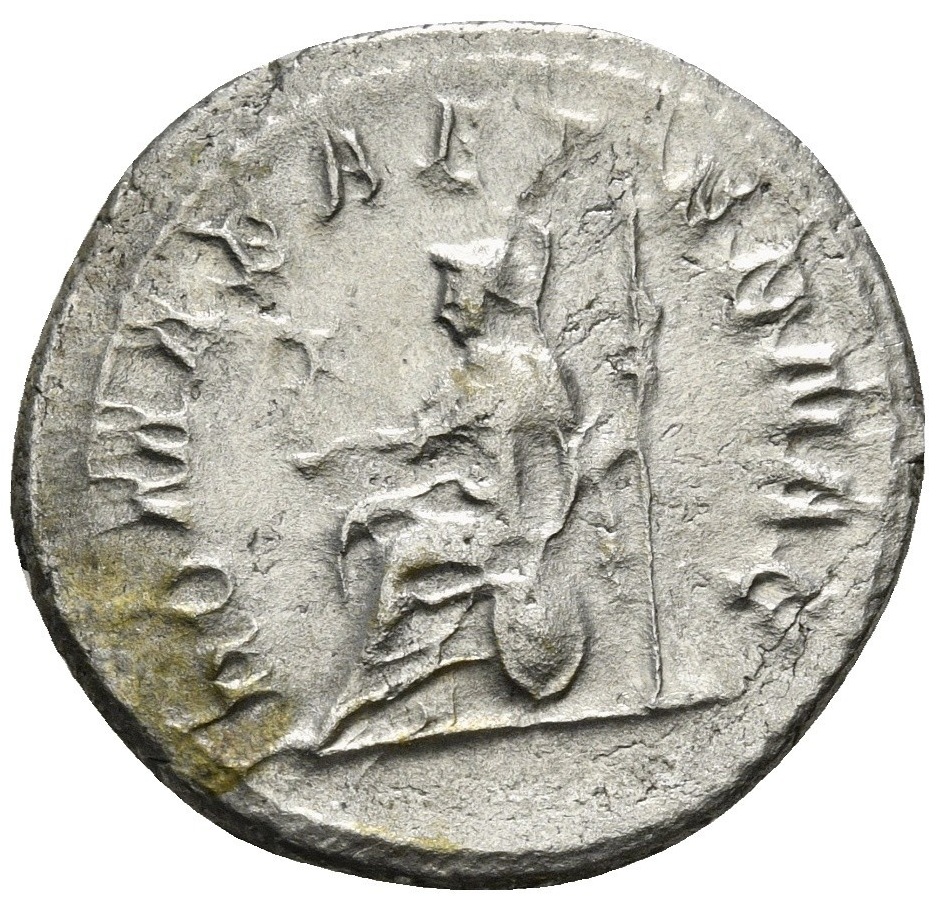
Weighing 3.72 grams and measuring 24 mm in diameter, this piece embodies the transitional energy of a vast empire navigating both internal transformation and external pressure. The obverse features a finely detailed radiate portrait of Emperor Philip I, symbolizing his divine association with the sun god and his elevated imperial status, while the reverse presents a dynamic depiction of a Roman figure in motion—an artistic reflection of strength, victory, and imperial ideology.
This coin is more than a relic; it is a preserved moment from the Crisis of the Third Century, a period marked by political upheaval, military challenges, and economic shifts. Philip I, known historically as “The Arab” due to his origins in the Roman province of Syria, rose to power through military command and strategic acumen.
His reign is particularly notable for celebrating Rome’s 1,000th anniversary in AD 248, a monumental event that reaffirmed the empire’s enduring legacy. Holding this coin is akin to holding a fragment of that grand celebration—a time when Rome projected confidence and eternity, even as uncertainty loomed beneath the surface.
The craftsmanship of this Antoninianus speaks volumes. Despite the passage of nearly 1,800 years, the coin retains impressive detail, from the emperor’s facial features to the textured inscriptions that encircle the design. The natural toning and aged patina enhance its authenticity, giving it a character that cannot be replicated. Coins like this were once used in daily transactions across the Roman Empire, passing through countless hands, markets, and provinces—each leaving behind a silent trace of history embedded within its surface.
For investors, this piece represents a powerful blend of rarity, storytelling, and tangible heritage. Ancient Roman coins continue to gain recognition as alternative assets, valued not only for their historical significance but also for their enduring demand in global numismatic markets.