How House of Emirates® in London is bringing together precious metals, historical treasures and the timeless appeal of tangible luxury assets
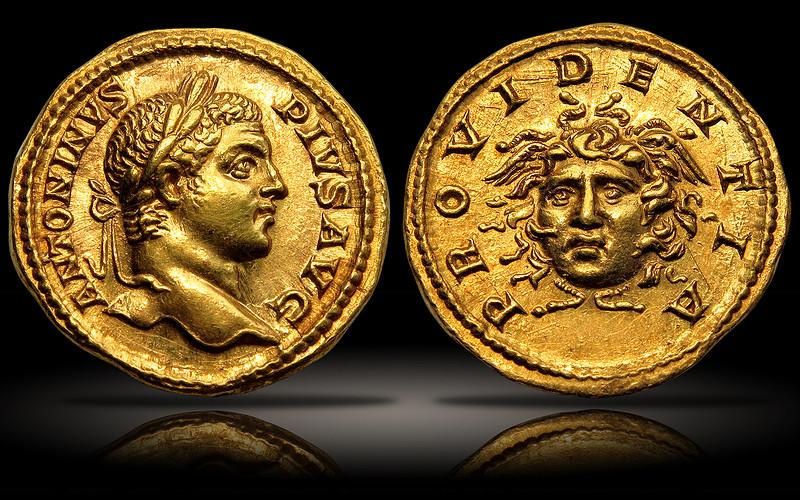
For generations, luxury has been measured through the possession of exceptional objects: magnificent jewellery, prestigious watches, historic estates and works of art. Yet a new dimension of luxury is emerging, one that combines the intrinsic appeal of precious metals with the extraordinary historical significance of ancient and rare coins. These are not simply objects of beauty or remnants of forgotten civilisations. They are tangible pieces of history, often made from gold or silver, whose appeal can extend beyond their metal content to encompass rarity, craftsmanship, historical importance and international demand.
At the forefront of this distinctive approach to luxury is House of Emirates® in London, a niche luxury brand bringing ancient coins, rare gold and silver coins, historic treasures and investment-oriented collecting into a contemporary luxury marketplace. Its philosophy reflects a broader evolution in how sophisticated buyers may approach wealth: not exclusively through conventional financial instruments, but also through carefully selected tangible assets with cultural, historical and aesthetic significance.
The concept is compelling because an ancient gold dinar, a Roman aureus, a Byzantine gold solidus or a rare silver drachm represents several forms of value simultaneously. There is the value of the precious metal itself, the market value associated with rarity and condition, and the cultural significance of an object that has survived centuries of political transformation, economic upheaval and human history. However, these dimensions of value are not identical, and none guarantees future appreciation. The opportunity lies in understanding their relationship.
For House of Emirates®, this is the essence of a new luxury proposition: owning precious metals that carry a story, embody history and offer the possibility of long-term value.
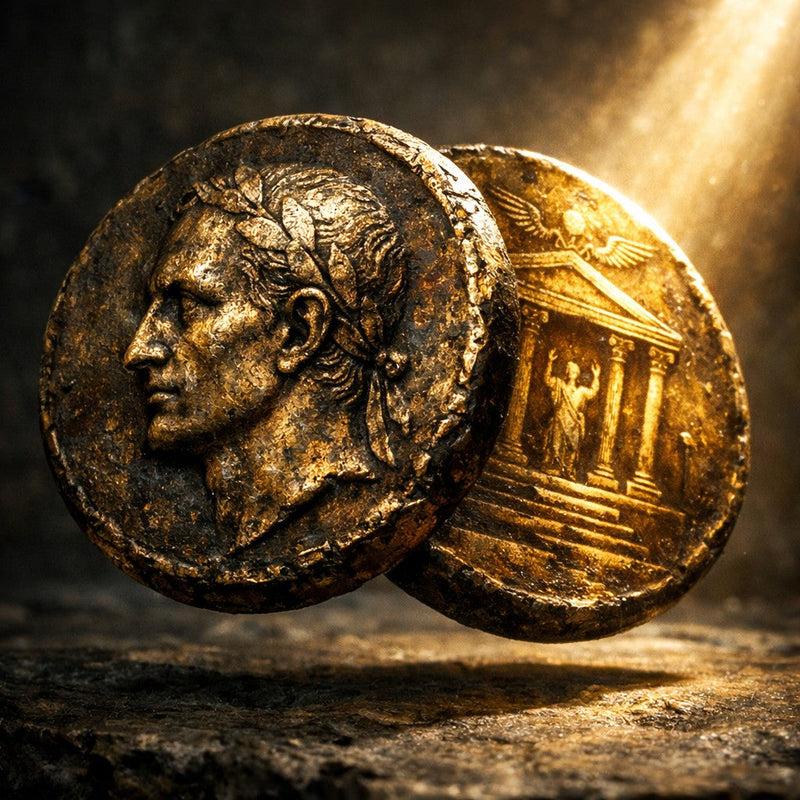
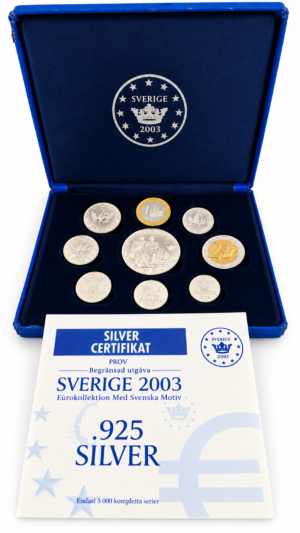
Gold and silver have occupied a central position in monetary systems, trade and wealth preservation for thousands of years. Their enduring appeal is partly attributable to their physical properties, limited natural supply and longstanding recognition across cultures. Modern investors can obtain exposure to these metals through bullion bars, contemporary investment coins and other financial instruments.
Ancient and rare coins introduce an additional dimension.
A standard bullion coin is generally valued primarily according to its precious-metal content, purity, weight, market conditions and associated premiums. A rare historical coin, by contrast, may command a price significantly above the value of its metal because of its scarcity, historical importance, condition, artistic execution, mint attribution and demand among specialist buyers.
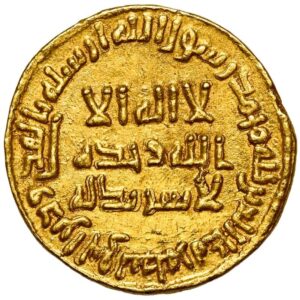
Consider a gold dinar struck during the Abbasid Caliphate, a Roman gold aureus bearing the portrait of an emperor, or a silver Sasanian drachm issued under a Persian king. Each object represents a specific monetary system and political authority. Its inscriptions, imagery and physical characteristics can provide evidence of the civilisation that produced it.
Such coins may also be attractive because they are finite historical objects. The surviving population of a particular issue is constrained by the number originally minted, the losses and destruction accumulated over centuries, and the number of examples that remain available to the market. Nevertheless, rarity alone does not guarantee a high price: demand, authenticity, condition and the availability of comparable examples remain critical.
This distinction separates the historical coin market from ordinary bullion ownership. Buyers are not merely purchasing a quantity of metal. They are acquiring an object whose price may reflect the intersection of precious-metal markets, historical scholarship and specialist demand.
Modern wealth is increasingly represented by financial securities, electronic balances and other forms of intangible ownership. These instruments are essential to contemporary economies, but they can feel abstract when compared with a physical object that can be examined, authenticated, preserved and passed between generations.
Ancient and rare coins offer a different experience of ownership. A gold coin minted more than a thousand years ago can be held today much as it was held by people in its original era. Its physical survival creates a connection between the modern owner and a distant historical world.
For affluent buyers, this tangible dimension can complement other forms of wealth. A carefully assembled collection of authenticated gold and silver coins may represent a personal interest in history, an appreciation of craftsmanship and an intention to preserve meaningful objects for the future.
There is also an important distinction between ownership and liquidity. A rare coin is a physical asset, but it cannot necessarily be converted into cash immediately at a fair price. Its resale value depends on the availability of informed buyers, market conditions, transaction costs and the quality of its documentation. Unlike money in a bank account, it does not generate interest simply by being owned.
The strongest argument for historical coins is therefore not that they eliminate financial uncertainty, but that they offer a distinctive form of tangible ownership with characteristics that differ from conventional financial assets.
The value of an ancient or rare coin can be influenced by several interconnected factors.
Rarity and surviving examples: Coins issued in small quantities, surviving in limited numbers or representing historically significant varieties may attract substantial interest. However, scarcity must be assessed alongside actual market demand.
Historical significance: Coins associated with important rulers, political transitions, military victories, religious developments or the formation of monetary systems can appeal to buyers seeking a meaningful connection with the past.
Condition and preservation: Legible inscriptions, recognisable designs, attractive surfaces and limited damage can influence desirability. Ancient coins should also be assessed in the context of their age, manufacturing methods and normal historical wear.
Provenance and documentation: A credible ownership history, previous auction records, scholarly references and appropriate authenticity assessments can support buyer confidence. Provenance may also be particularly important when demonstrating lawful ownership and compliance with applicable cultural-property regulations.
Precious-metal content: Gold and silver provide an underlying material component of value. Nevertheless, the bullion value of a historical coin may represent only a small part of its total market price.
Market demand: Interest from private buyers, specialist dealers and institutions can affect prices. Demand can change as collecting preferences, economic conditions and the availability of comparable coins evolve.
These factors explain why two coins of similar weight and metal purity may have dramatically different prices. They also explain why purchasing historical coins requires research and specialist judgement rather than relying on gold or silver prices alone.
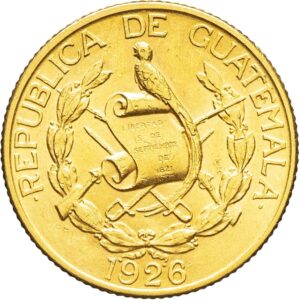
Gold has long represented monetary authority, political legitimacy and international trade. From the gold coins of ancient Greece and Rome to Byzantine Gold Solidus and Islamic Gold Dinars, rulers used gold coins to communicate power and facilitate economic exchange.
The Roman aureus, for example, provides a window into the political culture of imperial Rome. Its portraits, titles and reverse designs conveyed messages about emperors, military achievements, religious traditions and imperial authority.
The Byzantine gold solidus became an influential monetary instrument across a vast commercial sphere, while Islamic gold dinars helped facilitate trade and expressed the authority of successive caliphates and dynasties. Later European gold coinages likewise reflected the ambitions and economic strength of their issuing states.
For the modern buyer, these coins combine precious-metal appeal with historical individuality. Their inscriptions, iconography and minting characteristics can make them fascinating objects in their own right.
However, historical gold coins should not be treated as interchangeable with investment-grade bullion. A buyer paying a substantial historical premium must recognise that future resale proceeds may depend more on specialist demand than on changes in the gold price. The most appropriate acquisition is one supported by sound research, credible authentication and a price justified by the specific coin.
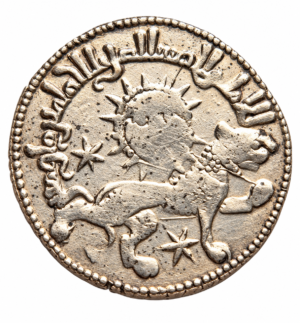
Silver coins occupy an equally important place in the history of money. Across the ancient Mediterranean, the Persian world, medieval Islamic territories and European kingdoms, silver served as a principal medium of exchange for commercial transactions and everyday economic activity.
Greek silver drachms, Roman denarii, Sasanian drachms, medieval dirhams and European silver crowns illustrate the remarkable diversity of historical coinage. Their designs and inscriptions reveal how rulers communicated authority, how monetary systems evolved and how trade connected distant regions.
Silver can also provide a more accessible entry point into historical numismatics than many high-value gold rarities, although exceptional silver coins can command substantial premiums. Price depends on far more than metal weight: an unusually rare issue, a remarkable historical association or an especially desirable example may be worth considerably more than an ordinary coin of similar composition.
For buyers building a collection over time, silver offers the possibility of exploring different civilisations, historical periods and artistic traditions without necessarily beginning with the highest-priced gold issues.
As with gold, silver prices fluctuate, and the premium paid for rarity may not be recovered on resale. The attraction lies in combining a tangible precious-metal object with historical significance, rather than assuming that silver coins will inevitably rise in value.
Luxury consumption is evolving. Increasingly, some affluent buyers seek possessions that offer more than immediate visual appeal or brand recognition. They value craftsmanship, authenticity, provenance, scarcity and a credible story of origin.
Historical coins fit naturally within this broader concept of meaningful ownership. An ancient coin can be discreet, portable and remarkably information-rich. A small piece of gold may preserve evidence of an empire, a ruler and a monetary system that disappeared centuries ago.
This is particularly relevant to the philosophy of House of Emirates® in London. By presenting rare gold and silver coins as luxury assets, the brand connects historical treasures with a contemporary audience interested in tangible possessions, enduring heritage and the possibility of long-term value.
The distinction is important: a luxury asset is not automatically a profitable investment. Its significance lies in the combination of attributes it offers to its owner. A buyer may appreciate the coin’s historical importance, enjoy possessing a rare physical object and hope that its market value will remain resilient or appreciate over time. Those objectives can coexist, but they should not be confused with a guaranteed financial return.
The most considered approach is to acquire coins that are desirable on their own merits, supported by credible evidence and purchased at prices consistent with their quality and market position.
House of Emirates® in London occupies a distinctive position at the intersection of luxury, numismatics and historical heritage. Its focus on ancient coins, rare precious-metal currency, jewellery and exceptional treasures reflects a vision in which history itself becomes part of the luxury experience.
The brand’s proposition is especially relevant to buyers who value objects with an identifiable past. A historic gold dinar, an imperial Roman coin or a silver drachm is not a standardised contemporary product. Each example has its own physical characteristics, historical context and condition. These differences demand careful selection and clear communication.
For a responsible luxury business, credibility is essential. Buyers should receive accurate descriptions, appropriate photographs, transparent information about condition, and documentation sufficient to understand what they are acquiring. Where provenance details cannot be disclosed in full before a transaction for legitimate commercial reasons, the seller should still be able to provide appropriate evidence of authenticity, lawful ownership and compliance with relevant requirements.
House of Emirates® can therefore be understood not simply as a seller of precious-metal objects, but as a participant in a wider movement towards heritage-led luxury ownership. Its opportunity is to help customers appreciate why a coin’s historical identity, scarcity and physical substance can distinguish it from an ordinary commodity.
No serious discussion of luxury investment should overlook risk. Ancient and rare coins are specialist assets, and their markets can be less transparent and less liquid than major financial markets.
Authenticity is a primary consideration. Counterfeits, altered coins and misleading descriptions can result in significant losses. Buyers should work with reputable specialists and seek independent opinions when the value or circumstances justify them.
Pricing requires similar care. Auction prices, dealer asking prices and completed resale prices are not equivalent. Buyers should consider the total acquisition cost, including premiums, taxes, insurance, storage, shipping and potential resale commissions.
Legal compliance is equally important. Ancient coins may be subject to cultural-property, import, export, sanctions or other applicable rules depending on their origin, ownership history, age, value and the jurisdictions involved. Buyers and sellers should establish that transactions are lawful and retain appropriate documentation.
Finally, historical coins do not guarantee capital preservation. Prices may decline, demand may weaken, and a coin purchased at a high premium may prove difficult to resell at the same price. These assets should generally be approached with a long-term perspective and as part of a diversified financial position, rather than as a substitute for emergency savings or a complete investment strategy.
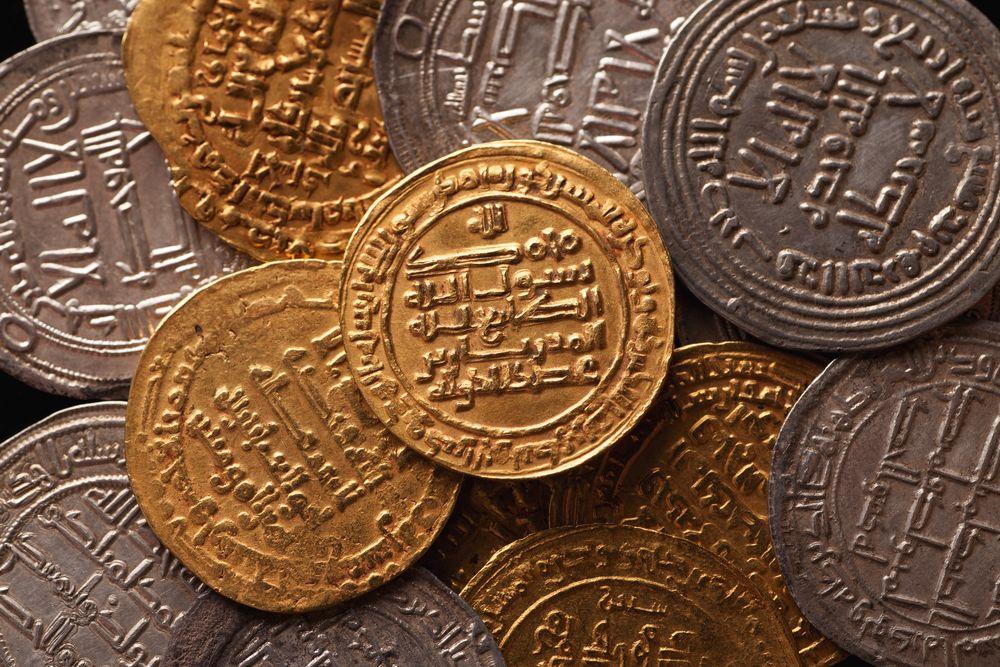
The appeal of ancient and rare gold and silver coins lies in their extraordinary combination of tangible substance, historical significance, scarcity and beauty. They are physical survivors of monetary systems, political powers and civilisations that shaped the world. Their precious-metal content connects them to the enduring history of gold and silver, while their individual characteristics can give them a value far beyond their weight.
For the modern luxury buyer, these objects offer a different way to think about ownership. They can be appreciated as works of historical craftsmanship, preserved as family heirlooms and considered as potential long-term alternative assets. Their value, however, depends on authenticity, condition, provenance, demand and the price paid—not simply on their age or precious-metal content.
Through its focus on rare coins and historical treasures, House of Emirates® in London is advancing a distinctive luxury proposition: one in which the past becomes tangible and the ownership of history enters the contemporary conversation about wealth.
In a world increasingly dominated by intangible financial balances and rapidly changing trends, an ancient coin offers a remarkable reminder that some objects can retain their fascination across centuries. The prudent buyer understands both the risks and the possibilities, choosing each acquisition with knowledge, discernment and respect for its history.