£275.00
A Majestic Silver Treasure of Medieval Anatolia — House of Emirates® in London
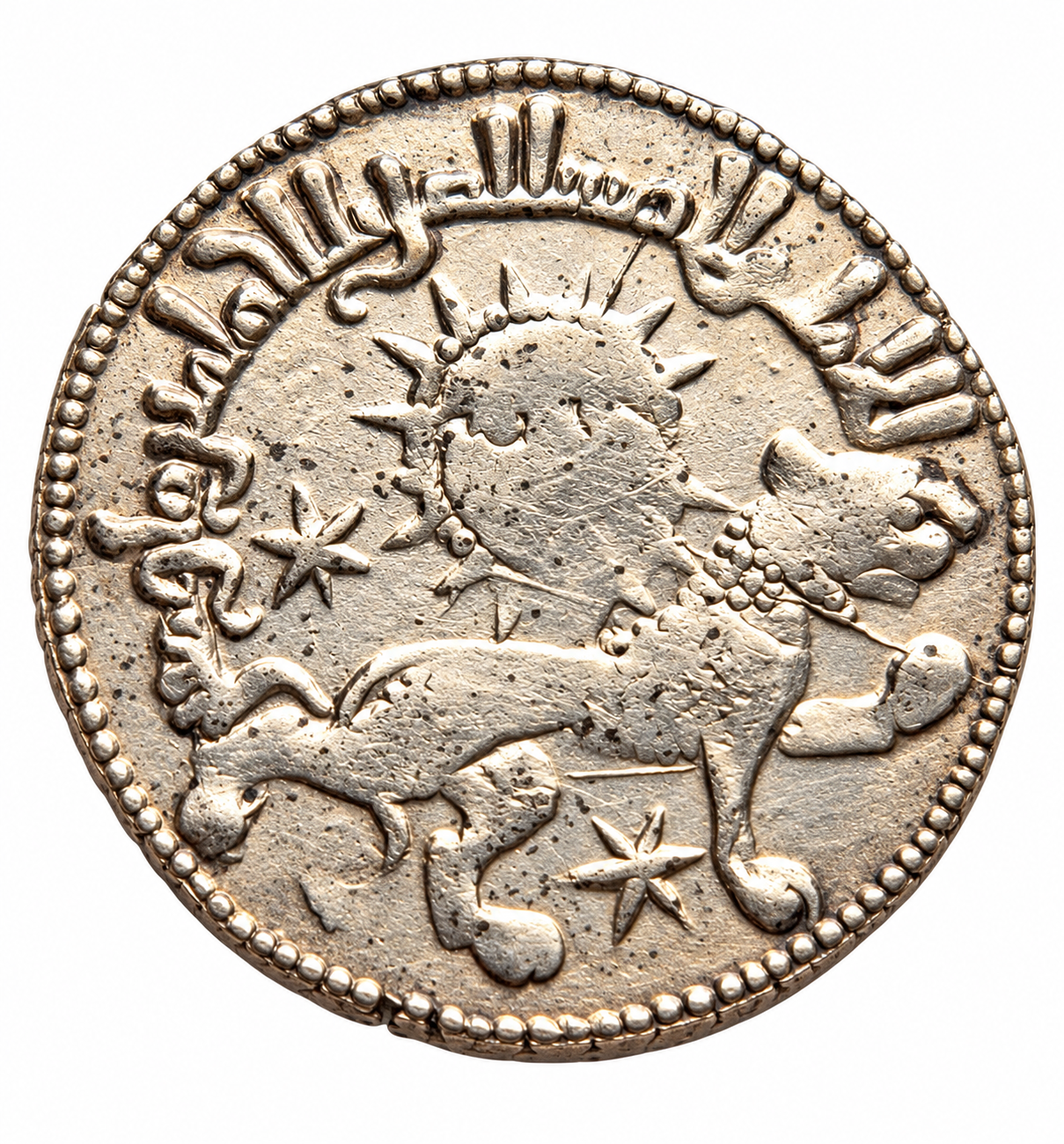
House of Emirates® in London is thrilled to offer its elite clientele this remarkable Seljuqs of Rum silver dirham, struck at Konya in 639 AH, during the reign of Sultan Ghiyath al-Din Kay Khusraw II, one of the most fascinating rulers of medieval Anatolia. Distinguished by its celebrated lion and sun motif, this historic Islamic silver coin represents an extraordinary intersection of royal authority, medieval Islamic numismatics, Seljuq artistry, and the cultural exchanges that shaped the eastern Mediterranean during the thirteenth century. Measuring approximately 22 mm in diameter and weighing nearly 2.9 grams, this ancient silver dirham offers investors in historical treasures an authentic connection to a pivotal era of Seljuq power.
Privately sourced through established Licensed professional numismatic company in the United Kingdom. House of Emirates® is committed to the responsible presentation of historical treasures, with an emphasis on authenticity, historical significance, and professional standards of provenance.
The most captivating feature of this Seljuq silver dirham is its striking depiction of a lion associated with a radiant sun. The composition is among the most recognisable and debated images associated with the coinage of Kay Khusraw II. The lion evokes strength, courage, and royal power, while the sun introduces a dramatic celestial dimension. The precise meaning of the design remains a subject of scholarly discussion, with interpretations ranging from royal symbolism to broader cultural and astrological associations. Its distinctive imagery illustrates the artistic sophistication and political symbolism of the Seljuq court.
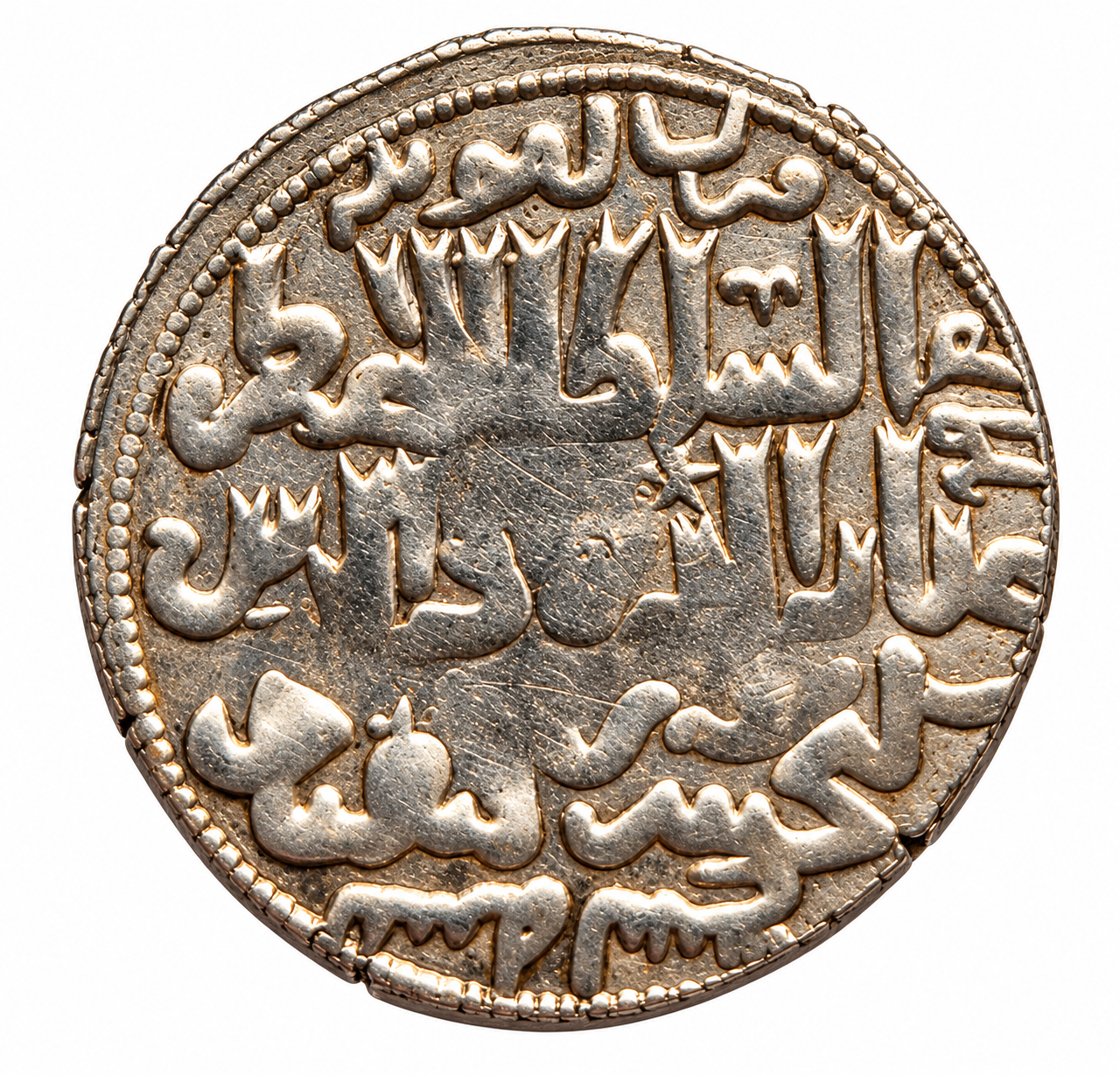
The reverse bears Arabic inscriptions in an elegant medieval script, reflecting the importance of Islamic titulature and religious expression in the monetary system of the Sultanate of Rum. The inscriptions and ornamental details provide a tangible record of the political and cultural world in which this coin circulated. Together, the lion and sun design and the Arabic calligraphy distinguish this dirham from conventional medieval silver currency, transforming a functional instrument of commerce into a miniature work of historical art.
Ghiyath al-Din Kay Khusraw II ruled the Sultanate of Rum during a consequential period in Anatolian history. The Seljuqs of Rum established a powerful state across much of modern-day Türkiye, controlling strategic trade routes that connected the Byzantine world, the Islamic Middle East, the Black Sea region, and Central Asia. Their capital, Konya, became an important centre of administration, architecture, scholarship, commerce, and artistic patronage.
Kay Khusraw II‘s reign witnessed both prosperity and profound political challenges. The Seljuq realm occupied a strategic position along international commercial networks, and its cities benefited from the movement of merchants, craftspeople, scholars, and travellers. Silver coinage played an essential role in facilitating economic activity across this diverse territory.
The year 639 AH, corresponding approximately to 1241–1242 AD, places this Seljuq dirham within the final years of Kay Khusraw II’s reign. In 1243 AD, the Seljuq army suffered a major defeat at the Battle of Köse Dağ, an event that profoundly altered the political balance of Anatolia. This coin therefore belongs to a period immediately preceding one of the defining turning points in the history of the Sultanate of Rum.
Konya was far more than a political capital. It was a flourishing urban centre situated within the commercial and cultural networks of medieval Anatolia. Islamic Coins struck there circulated through markets, caravan routes, and administrative systems, connecting the sultanate with neighbouring regions. A silver dirham associated with Konya offers an intimate glimpse into this world of commerce and royal governance.
The combination of a compact 22 mm format, a weight of approximately 2.9 grams, Arabic inscriptions, and the celebrated lion and sun imagery makes this piece particularly appealing to investors interested in medieval Islamic silver coins, Seljuq numismatics, and the monetary history of Anatolia. Its historical importance lies not simply in its age, but in its connection to a named ruler, a significant city, and a period of extraordinary political transformation.
This Seljuqs of Rum silver dirham is an evocative survivor of a civilisation whose influence extended across the crossroads of Europe and Asia. Its historic lion and sun design, medieval Arabic inscriptions, and association with Kay Khusraw II make it a compelling addition to a carefully curated portfolio of ancient and medieval monetary treasures. For investors seeking authentic historical artefacts, medieval Islamic silver coinage, or tangible connections to the great dynasties of Anatolia, this piece offers enduring historical interest.
Its appeal lies in the combination of historical context, distinctive imagery, and the remarkable survival of a small silver object from the thirteenth century. The coin offers a physical connection to an era when Seljuq sultans ruled, merchants crossed continents, and silver currency carried the authority of rulers across flourishing medieval cities.
House of Emirates® in London presents historical treasures with an emphasis on their cultural significance, artistic character, and place in world history. This remarkable silver dirham invites its future owner to hold a fragment of the medieval world in which the Seljuq dynasty helped shape the history of Anatolia.
House of Emirates® — London — Where Eternity Becomes a Luxury Asset