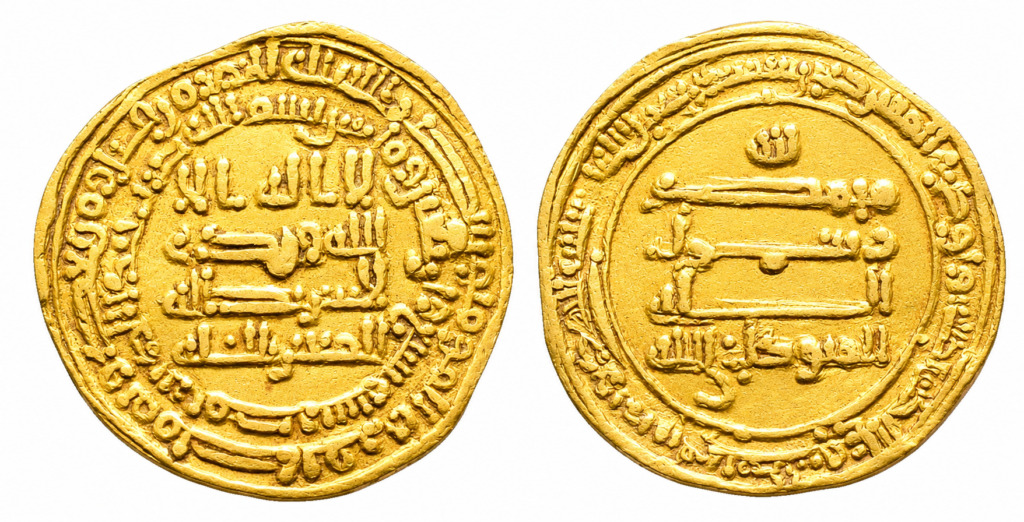
Islamic coins represent one of the richest and most fascinating chapters in the history of numismatics.
From the Rashidun Caliphate to the Ottomans, Islamic coinage tells a story of faith, power, and artistry.
Thus, that story spans more than fourteen centuries. Collectors worldwide can Buy Islamic coins to appreciate their history. House of Emirates® store has become a major market for Islamic coins. It connects enthusiasts with authentic pieces of history truly.
The history of Islamic coins begins in the 7th century, shortly after the rise of Islam. In the earliest years, Muslims used coins inherited from Byzantine and Sassanian empires. Modifications were common, including Arabic inscriptions added to existing designs. This period shows the early Islamic state’s rapid expansion. Additionally, Buy Islamic coins became more standardized as the monetary system developed. It also required a monetary system.
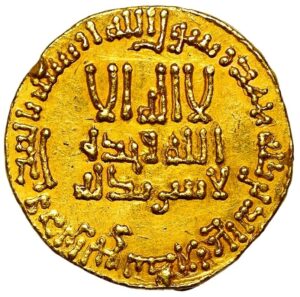
A pivotal moment came during the reign of Caliph Abd al-Malik ibn Marwan in the late 7th century. During 696–697 CE, Abd al-Malik introduced a reformed Islamic coinage system. It replaced rulers’ images and religious icons with Quranic inscriptions. To this reform arose the classic Islamic gold dinar and silver dirham. These coins served as the standard currency across the Islamic world for centuries. These coins were revolutionary for religious symbolism and their anionic design. They avoided human or animal imagery in keeping with Islamic principles.
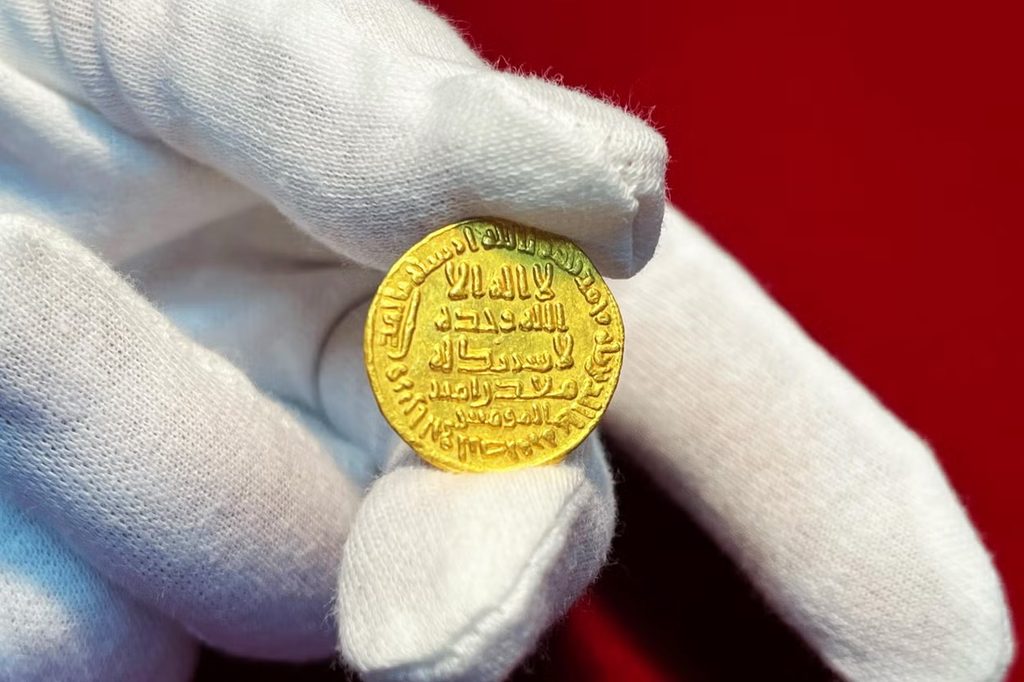
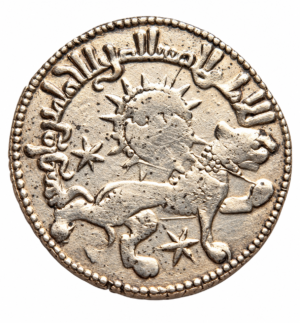
During the Abbasid Caliphate, Islamic coinage flourished further, with mints established across Baghdad, Damascus, Cairo, and beyond. Coins from this era carried caliph names, key dates, and Quranic verses. Such details render them valuable historic documents as currency. As Islamic civilization expanded through North Africa, Persia, and into parts of Europe and Asia, regional variations in Islamic coins emerged, including the Fatimid gold dinars, Ayyubid dirhams, and later the beautifully designed Ottoman akçe and Mughal coins.
Islamic coins were not just tools of trade. Moreover, they were symbols of sovereignty. Rulers used coinage to assert legitimacy. They spread religious messages and demonstrated economic strength. This is why historians and collectors alike consider Islamic coins essential artifacts. They illuminate medieval trade routes, political history, and Islamic art.
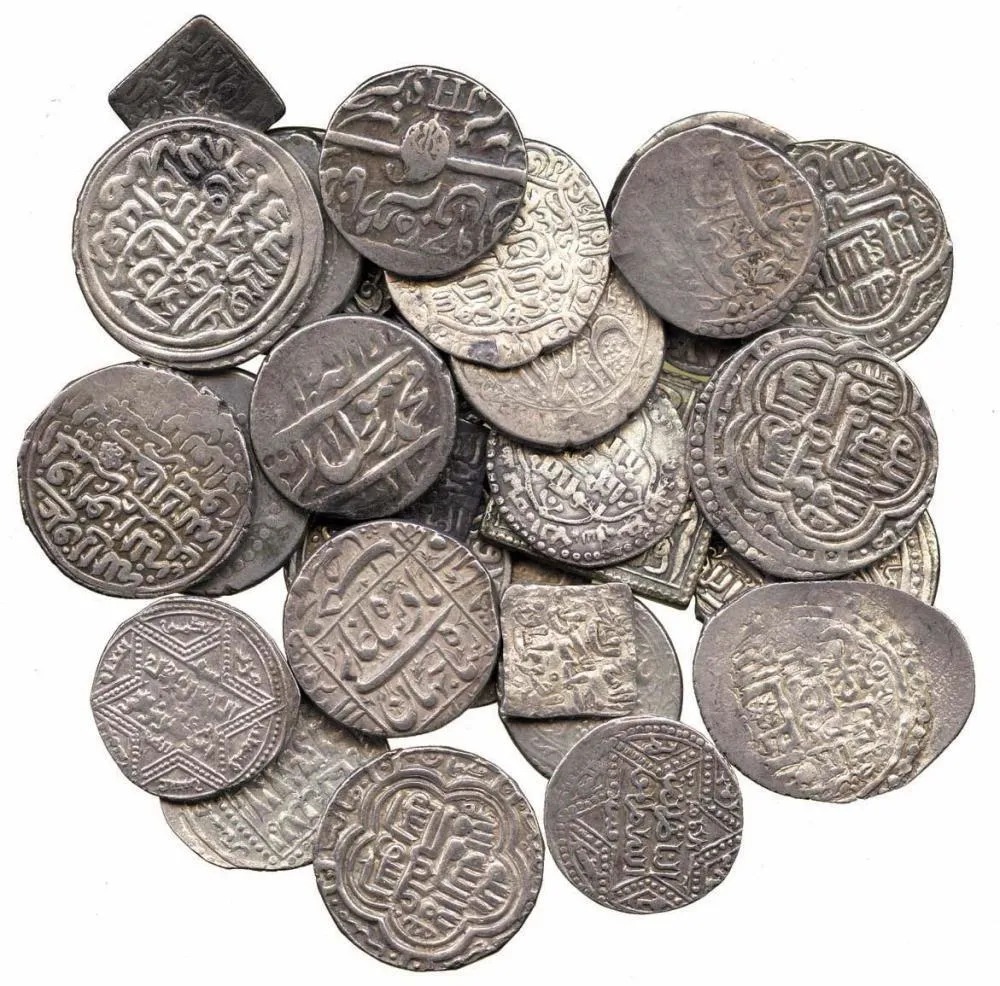
In the modern era, the demand for authentic Islamic coins has grown significantly among collectors, historians, and investors. Additionally, these coins offer a tangible connection to centuries of history, culture, and craftsmanship, inviting you to Buy Islamic coins. Whether it’s a gold dinar from Umayyad times, or a silver dirham from Abbasid times. Each piece tells a story.
For collectors seeking authenticity and variety, the House of Emirates® store has emerged as one of the main markets for Islamic coins in the world. Known for curating rare and historically significant pieces, the House of Emirates store provides access to coins spanning multiple dynasties and centuries, making it a trusted destination for both novice and experienced collectors of Islamic numismatics.