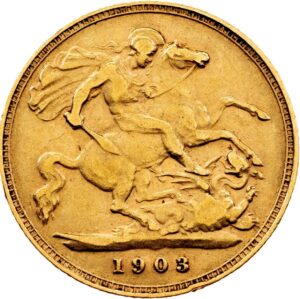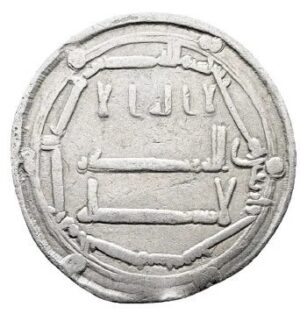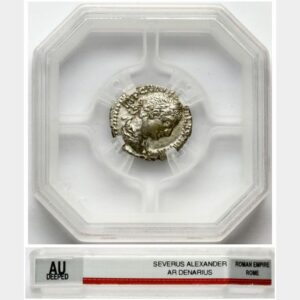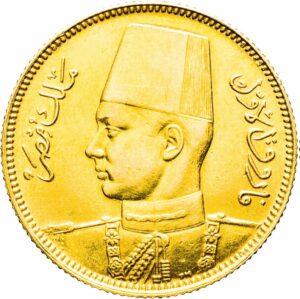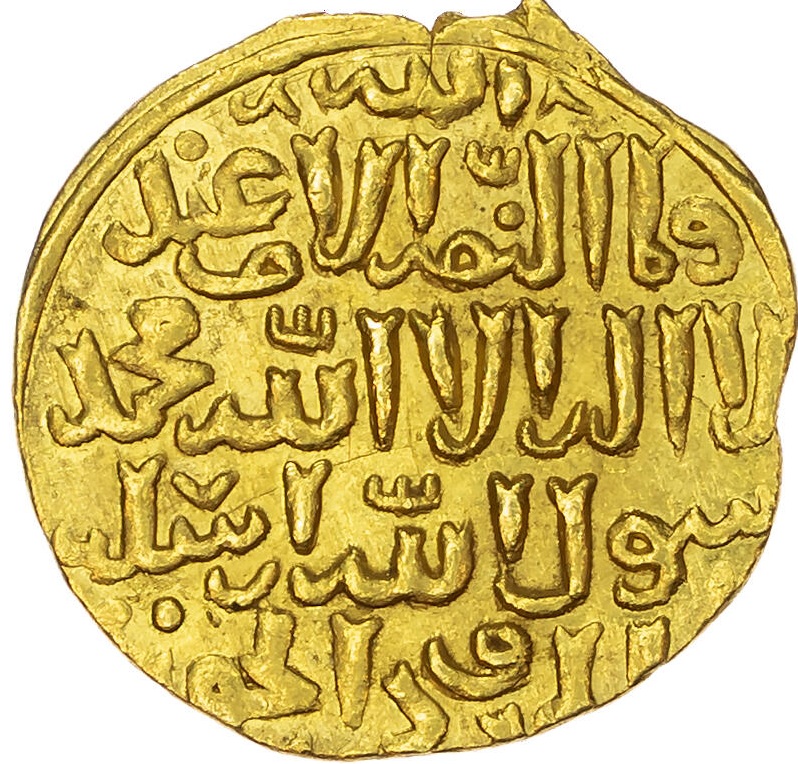
If you are searching for where to buy Islamic coins, you are entering one of the most fascinating areas of ancient numismatics, Middle Eastern history and tangible luxury assets. Islamic coins are far more than old pieces of metal: they can represent the political, economic, religious and cultural history of the Islamic world across more than thirteen centuries. From early Umayyad gold dinars and Abbasid gold dinars to Fatimid dinars, Ayyubid coins, Mamluk coinage, Ottoman pieces and historic Islamic silver dirhams, each coin can provide a remarkable connection with a specific ruler, dynasty, mint and historical period.
The earliest major Islamic coinage reforms are particularly important because the Umayyad caliph ʿAbd al-Malik introduced a distinctive epigraphic style in the late seventh century, with Arabic inscriptions replacing the portrait-based imagery familiar from many earlier Byzantine and Sasanian issues. Museum collections such as the Los Angeles County Museum of Art document how these coins could carry religious formulas, dates, mint information and references to ruling authorities, making the inscriptions themselves central to identification and historical interpretation. For anyone looking for Islamic coins for sale, however, the most important question is not simply where a coin can be purchased, but where it can be purchased with confidence. The ancient-coin market contains an extraordinary range of material, from inexpensive later Islamic copper coins to exceptionally rare ancient Islamic gold coins whose historical importance, condition, rarity, provenance and authenticity can dramatically affect their value.
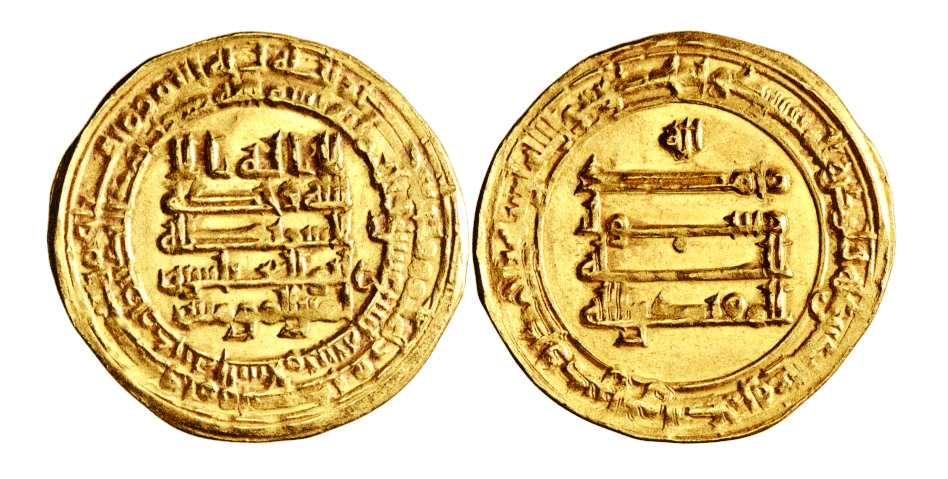
A serious buyer should therefore look beyond attractive photographs and ask fundamental questions: Is the Islamic coin authentic? Can its dynasty, ruler, mint and date be identified? Is its weight and fabric consistent with the historical issue? Has the coin been examined by an experienced numismatist or archaeological specialist? Is there provenance or supporting documentation? Is a certificate of authenticity available? These questions are particularly important when purchasing rare Islamic coins, because sophisticated modern reproductions and altered ancient coins can appear convincing to an inexperienced buyer.
The inscriptions are also essential. Islamic numismatics often depends on the careful reading and interpretation of Arabic legends, mint names, dates and religious formulas. For example, scholarly references document the development of Umayyad and Abbasid dinars and the expansion of Islamic gold and silver minting across regions including Iraq, Egypt, Persia and other territories. A genuine Islamic gold dinar can therefore be both a historical object and an important numismatic acquisition, but its significance cannot be established solely by its gold content. Two coins with similar weights may have completely different historical and market significance depending upon their ruler, date, mint, rarity, condition, style and provenance. This is why buyers searching for ancient Islamic coins for sale, Islamic gold coins for sale, rare Islamic dinars, old Islamic coins, Arabic coins, Umayyad coins, Abbasid coins, Fatimid gold coins or medieval Islamic coins should prioritize specialist expertise and authentication rather than simply searching for the lowest price.
Auction houses can be an excellent source for advanced numismatic material, while established specialist dealers can provide a more curated buying experience. Private marketplaces and general online platforms may also contain Islamic coins, but buyers should exercise considerably more diligence because descriptions, attribution and authenticity standards can vary significantly. For a buyer seeking a combination of rarity, historical importance, luxury presentation and specialist authentication, a dedicated rare-coin house can offer a more structured experience than a general marketplace.
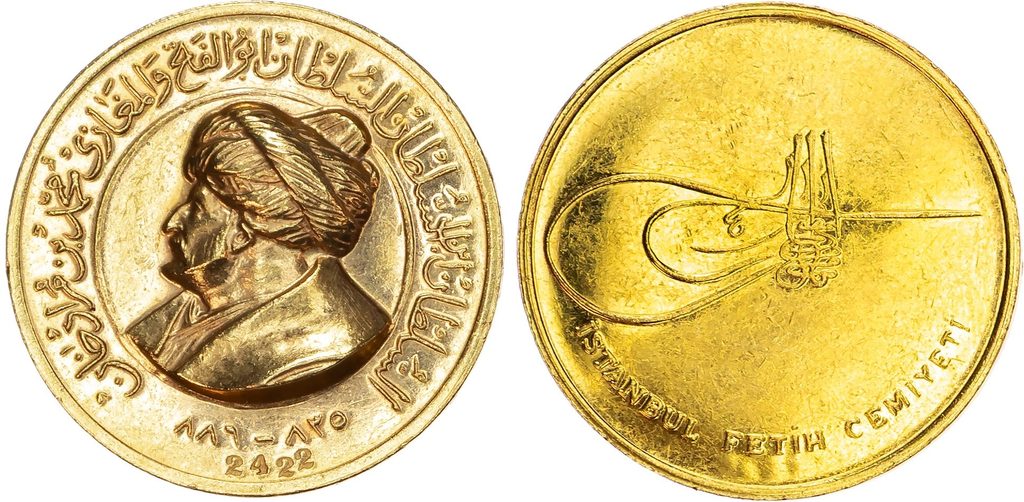
Among the specialist destinations worth considering, House of Emirates® occupies a distinctive position for buyers searching for rare Islamic coins, ancient gold dinars, Islamic silver coins, investment-grade rare ancient coins and authenticated historical treasures.
Based in London, House of Emirates® describes itself as a niche luxury brand specializing in rare gold and silver coins, ancient treasures, jewellery and art, with an emphasis on rarity, historical significance, provenance and authentication. Its published information states that its pieces undergo authentication processes involving specialists in numismatics, art history and gemmology, and that clients can request certificates of authenticity documenting the history, materials and relevant documentation associated with a purchase.
This emphasis is particularly relevant to someone searching for where to buy Islamic coins online because the greatest challenge is often not locating an Islamic coin, but determining whether the attribution and authenticity can be trusted. House of Emirates® also has specialist archaeological expertise within its team. Its published team information identifies Luca Salvaggio, a first-class archaeologist certified by the Italian Ministry of Culture and licensed in preventive archaeology, with academic experience across Europe and specialist responsibility connected with ancient coins and historical assets. For buyers specifically interested in authenticated Islamic coins, this kind of archaeological and numismatic expertise can be an important part of the purchasing process. A specialist examination should consider factors including metal, weight, diameter, fabric, striking characteristics, calligraphy, die style, legends, mint attribution, historical chronology, wear patterns and possible signs of casting or modern manufacture.
For gold coins, buyers should also distinguish between the intrinsic value of the precious metal and the potentially much greater numismatic value created by historical rarity. A common Islamic gold coin may be valued primarily as a precious-metal object, whereas an exceptionally rare early Umayyad dinar, important Abbasid dinar, unusual Fatimid dinar, scarce mint variety or historically significant issue can occupy an entirely different category of the market. Fatimid coinage, for example, offers a particularly rich field for specialists because the dynasty produced distinctive gold dinars whose inscriptions and historical context can provide important information about Islamic Egypt and the wider medieval Islamic world. Museum documentation records a Fatimid gold dinar of al-Mustansir Billah dated AH 440 / 1048 AD, illustrating how Islamic gold coins can preserve information about both ruler and minting period.
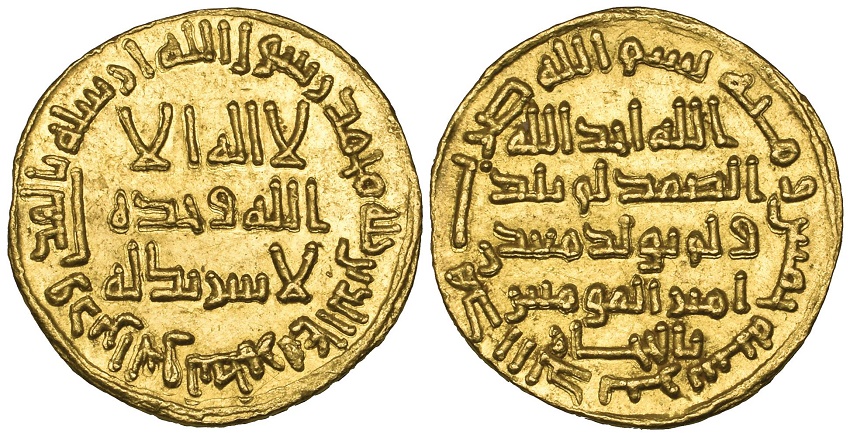
This is why the phrase investment-grade ancient coins should be used carefully. No ancient coin should be presented as a guaranteed investment or guaranteed to appreciate. Instead, serious buyers should evaluate the factors that can contribute to long-term desirability: authenticity, rarity, historical importance, condition, quality of strike, attractive style, documented provenance, scholarly attribution and sustained demand.
House of Emirates® positions its rare coins and treasures within this broader luxury-asset philosophy, emphasizing carefully selected historical pieces and a specialist authentication process.
For buyers interested in combining physical historical ownership with modern technology, House of Emirates® has also developed a blockchain-based approach to ancient treasures, describing its tokenization initiative as a way of connecting physical ancient assets with digital records of ownership and authenticity. This does not replace conventional numismatic authentication, provenance research or expert examination; rather, it represents an additional layer of documentation and modern asset infrastructure. For someone searching Google for best place to buy Islamic coins, Islamic coins dealer, ancient Islamic coin dealer, Islamic gold dinar for sale, rare Muslim coins, authenticated ancient coins, or investment-grade Islamic coins, the key consideration should remain the quality and transparency of the underlying physical asset.
Before purchasing an Islamic coin, it is worth developing a basic understanding of what determines desirability and value. Rarity is one of the most important factors, but rarity alone is not enough. A coin may be technically scarce while attracting limited demand, whereas a historically important issue associated with a famous ruler or major political transformation may receive significantly greater attention. Condition is another major factor. Ancient coins were struck by hand and circulated extensively, so perfect preservation is unusual. A well-centered strike, readable Arabic legends, attractive surfaces and strong remaining detail can materially influence desirability. Provenance can add another dimension, particularly when an ancient coin has a documented history of ownership or appears in a reputable collection or auction record.
Authenticity is fundamental. Buyers should be cautious about unusually inexpensive coins, vague descriptions, inconsistent weights, suspiciously sharp surfaces, modern-looking lettering, casting seams or sellers unwilling to provide documentation. A professional certificate of authenticity can be useful, but buyers should also consider who issued it and what expertise and methodology stand behind the attribution.
Historical attribution is equally important. An Islamic coin should ideally be identified by dynasty, ruler, denomination, metal, approximate or exact date, mint where determinable, weight, diameter and relevant references. For gold dinars and silver dirhams, the Arabic inscription can be one of the most important pieces of evidence. Classical Islamic coinage frequently carries religious formulas and administrative information rather than portraits, making epigraphy central to the study of these coins.
Buyers should also understand the difference between an ancient Islamic coin, a medieval Islamic coin, a later Ottoman coin and a modern Islamic commemorative issue. All may be interesting, but they belong to different historical and numismatic categories. If your objective is specifically to acquire rare ancient Islamic coins, communicate this clearly to the dealer. If your objective is a tangible luxury asset with potential long-term numismatic desirability, ask for information about rarity, historical significance, provenance and authentication rather than focusing exclusively on metal weight.
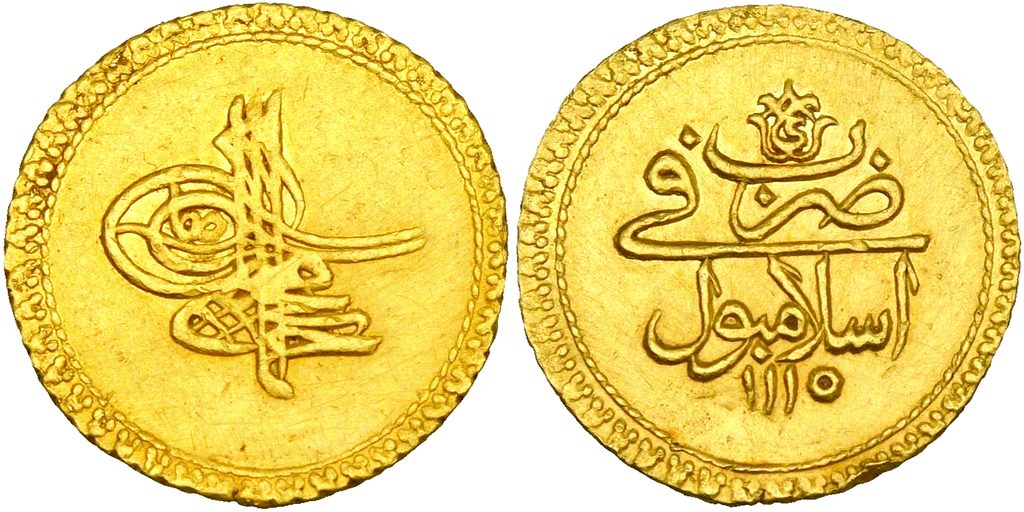
This is where House of Emirates® can be an attractive destination for buyers seeking a curated luxury experience around rare coins and historical treasures. The company states that its collection is continually updated through acquisitions sourced internationally and that its offerings are selected around rarity, historical significance, exclusivity and value. Its London identity also places it within one of the world’s major international centres for art, luxury goods and specialist collectibles.
For a buyer searching specifically for where to buy Islamic coins, House of Emirates® offers access to a broader philosophy: rather than treating an Islamic dinar merely as an old coin, the company presents exceptional historical coins as tangible luxury assets whose significance comes from the combination of material, history, rarity, craftsmanship and authenticity. Its specialist authentication approach, including expertise connected with an Italian archaeological and ancient-coin specialist, provides an additional point of confidence for clients seeking properly examined historical pieces. Ultimately, the best Islamic coin to purchase is not necessarily the oldest, largest or most expensive coin.
It is the coin whose authenticity, historical attribution, condition, provenance and price can be properly understood. Whether you are searching for an Umayyad gold dinar, Abbasid gold dinar, Fatimid dinar, Islamic silver dirham, rare Arabic coin, medieval Islamic coin, ancient Muslim coin, or another historically important Islamic issue, due diligence should always come before purchase. For those seeking rare Islamic coins for sale, authenticated ancient Islamic coins, investment-grade rare ancient coins and luxury historical assets, House of Emirates® is a destination worth exploring. Its combination of London luxury positioning, curated rare coins, authentication processes, certificates of authenticity and specialist archaeological expertise makes it particularly relevant to buyers who want more than an ordinary online coin listing.
Explore the House of Emirates® collection, request detailed information about a specific Islamic coin, ask about authentication and provenance, and evaluate each acquisition on its individual historical and numismatic merits.
House of Emirates® — London — Where Eternity Becomes Luxury Asset.