£125.00
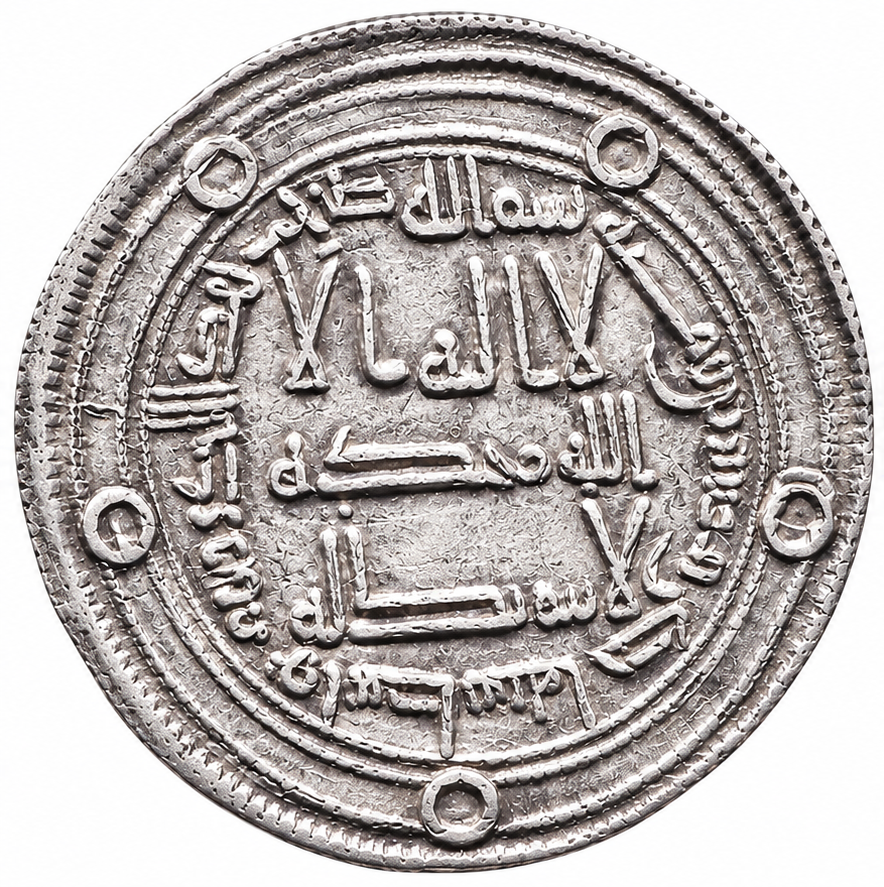
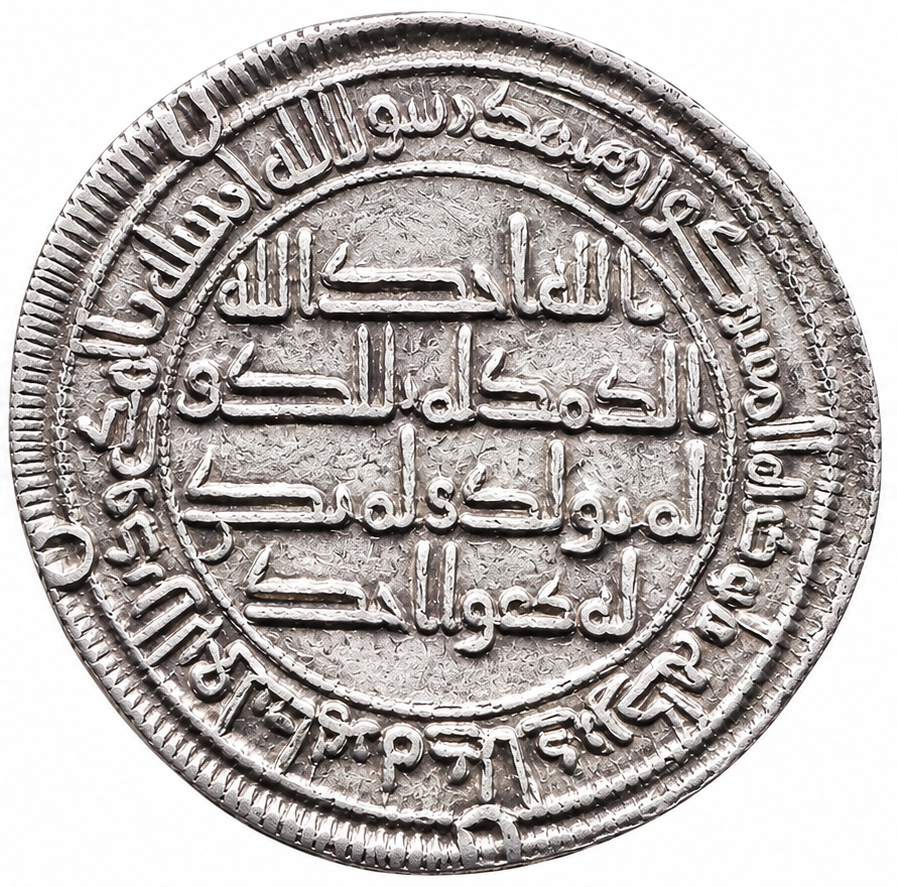
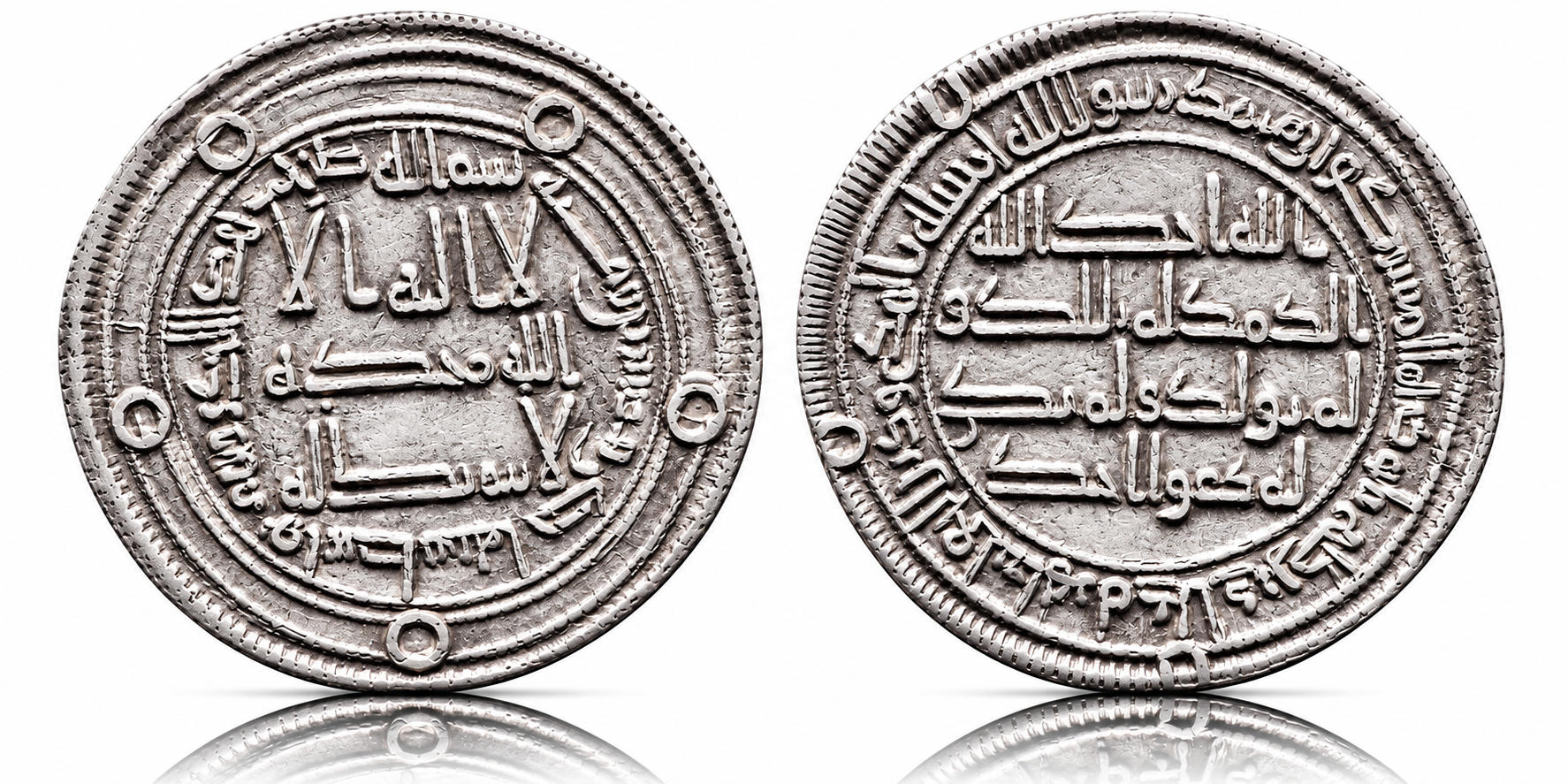
House of Emirates® is thrilled to offer its elite clientele this magnificent Umayyad silver dirham, issued during the reign of the distinguished Umayyad Caliph Hisham ibn Abd al-Malik (105–125 AH / 724–743 AD) and struck at the historic Wasit Mint in Iraq in 121 AH / 738–739 AD. Dating back almost thirteen centuries, this exceptional example of early Islamic silver coinage represents a remarkable chapter in the monetary, political and cultural history of the Islamic civilisation. With an impressive diameter of approximately 25 mm and a weight of 3 grams, this ancient silver dirham preserves the distinctive Arabic calligraphy and sophisticated epigraphic artistry that characterised the monetary heritage of the Umayyad Empire.
The year 121 AH corresponds to 738–739 AD, a period during which the Umayyad Caliphate remained one of the most influential political powers of the medieval world. Under Caliph Hisham ibn Abd al-Malik, the empire maintained an extensive administrative and commercial network stretching from the Middle East and North Africa to the western Mediterranean and Central Asia. His reign witnessed considerable military activity, administrative development and continued economic circulation across the empire. Silver dirhams played an essential role in facilitating trade, taxation and commercial exchange throughout these vast territories.
The historic Wasit Mint, located in present-day Iraq, holds particular importance in early Islamic numismatic history. Founded during the governorship of al-Hajjaj ibn Yusuf in the late seventh century AD, Wasit developed into a major administrative, military and commercial centre strategically positioned between Kufa and Basra. Its mint produced significant quantities of Umayyad silver dirhams, contributing to the monetary infrastructure that connected the different provinces of the caliphate. The Wasit mint attribution gives this coin a distinctive geographical identity and connects it directly to one of the most important monetary centres of early Islamic Iraq.
One of the most fascinating characteristics of Umayyad silver dirhams is their distinctive aniconic design. Following the great Islamic monetary reforms introduced under Caliph Abd al-Malik ibn Marwan, traditional figural representations were replaced by carefully arranged Arabic inscriptions expressing Islamic religious declarations and political authority. Rather than portraits of rulers, these coins communicated their identity through Arabic calligraphy, religious inscriptions, mint names and dates. The central legends traditionally proclaim the oneness of Allah, while the reverse carries the declaration of divine unity associated with Surah Al-Ikhlas. These inscriptions transformed Islamic coinage into an enduring expression of religious identity, imperial legitimacy and artistic sophistication.
For investors in ancient Islamic silver coins, Umayyad numismatics and historical tangible assets, this remarkable dirham offers an opportunity to own an authentic connection to the eighth-century Islamic world. Its identifiable ruling caliph, historic Wasit mint attribution and precise Hijri dating make it a fascinating representation of the monetary sophistication and enduring cultural legacy of the Umayyad dynasty.
A remarkable survivor of an extraordinary civilisation, where silver preserves the legacy of an empire and history becomes an eternal treasure.
1. Who issued the Umayyad silver dirham dated 121 AH?
This ancient silver dirham was issued during the reign of Caliph Hisham ibn Abd al-Malik (105–125 AH / 724–743 AD), the tenth Umayyad caliph. It represents the monetary and political heritage of the Umayyad Caliphate during the eighth century AD.
2. Where was this Umayyad silver dirham minted?
This coin was struck at the historic Wasit Mint in present-day Iraq. Wasit was an important administrative, military and commercial centre during the Umayyad period and played a significant role in early Islamic silver coin production.
3. What is the Gregorian date of the 121 AH Umayyad dirham?
The Hijri year 121 AH corresponds to 738–739 AD. This places the coin within the reign of Caliph Hisham ibn Abd al-Malik, who ruled the Umayyad Caliphate between 724 and 743 AD.
4. What is the historical significance of Umayyad silver dirhams?
Umayyad silver dirhams represent one of the most important monetary traditions of early Islamic civilisation. They facilitated trade, taxation and economic exchange across an extensive empire. Their Arabic inscriptions also preserve important evidence of Islamic religious identity, political authority and monetary administration.
5. What makes the Wasit Mint important in Islamic numismatics?
Wasit was founded by the Umayyad governor al-Hajjaj ibn Yusuf in the late seventh century AD. Its strategic position between Kufa and Basra made it an important centre of administration and commerce. Its mint produced silver dirhams that circulated throughout the Islamic world.
6. What inscriptions appear on Umayyad silver dirhams?
Umayyad silver dirhams generally feature Arabic religious declarations, including the Islamic profession of faith and inscriptions associated with Surah Al-Ikhlas. Their legends also identify the mint and year of issue. These inscriptions reflect the distinctive aniconic artistic tradition established following the Islamic monetary reforms of Caliph Abd al-Malik.
7. What are the specifications of this ancient Islamic silver coin?
This Umayyad silver dirham measures approximately 25 mm in diameter and weighs approximately 3 grams. It is made of silver and was minted at Wasit, Iraq, in 121 AH / 738–739 AD, during the reign of Caliph Hisham ibn Abd al-Malik.
8. Why is the Umayyad silver dirham of Hisham historically desirable?
Its appeal lies in its historical age, identifiable ruling caliph, documented mint attribution and connection to the monetary system of the eighth-century Islamic world. It represents a tangible piece of early Islamic history and an important example of medieval silver coinage.
9. Is an Umayyad silver dirham considered an ancient Islamic historical asset?
Yes. An authentic Umayyad silver dirham is an ancient historical artefact and a surviving example of early Islamic monetary heritage. Its historical, cultural and numismatic significance makes it an interesting tangible asset for investors interested in ancient civilisations and rare historical treasures.
10. Where can I acquire an ancient Umayyad silver dirham?
House of Emirates® in London offers exceptional ancient gold and silver coins, including historic Islamic numismatic treasures. This Umayyad silver dirham of Caliph Hisham ibn Abd al-Malik, struck at Wasit in 121 AH / 738–739 AD, represents an extraordinary opportunity to own a tangible connection to early Islamic history.
11. What makes House of Emirates® different in the ancient coin market?
House of Emirates® is a London-based luxury brand pioneering the positioning of rare ancient gold and silver coins as luxury tangible assets. Its approach combines historical heritage, exceptional craftsmanship, luxury presentation and innovative blockchain tokenisation initiatives.
12. Why should investors consider ancient Islamic silver coins?
Ancient Islamic silver coins offer a direct connection to historical empires, rulers, trade networks and cultural developments. Their appeal is based on historical significance, authenticity, condition, rarity and provenance. As with all historical assets, their future market value is not guaranteed.