Description
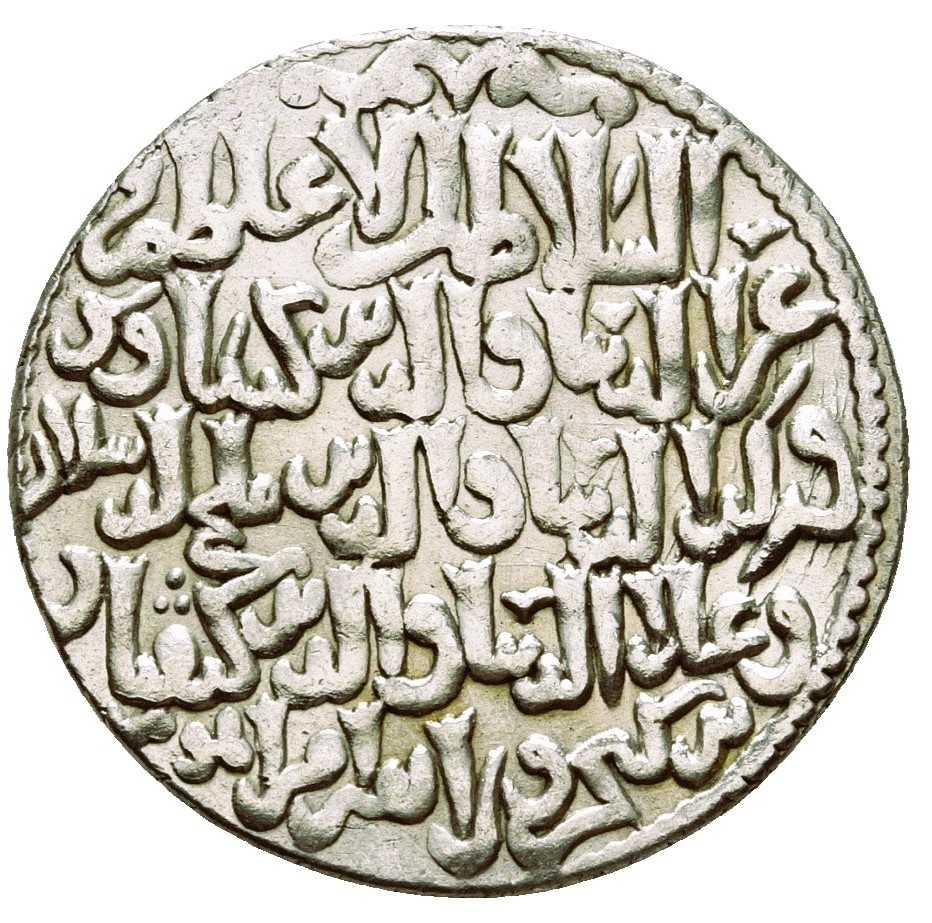
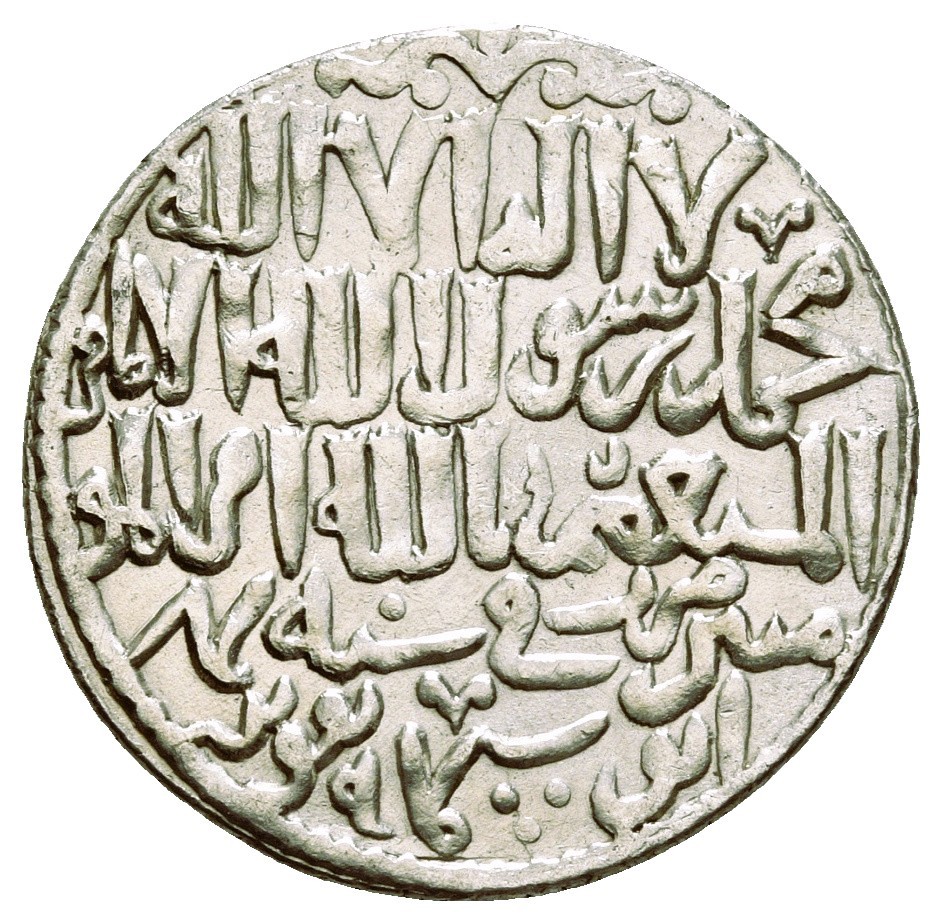
House of Emirates® in London is thrilled to offer its elite clientele this remarkable Seljuq of Rum silver dirham from the extraordinary Three Brothers period, a medieval Islamic coin associated with the joint rule of three Seljuq princes: Kay Ka’us II, Qilich Arslan IV and Kay Qubadh II. Struck during one of the most politically fascinating chapters of the Seljuq Sultanate of Rum, this approximately 3 g silver dirham, measuring 23 mm in diameter, represents a tangible fragment of thirteenth-century Anatolian history.
The Three Brothers period, generally dated to 647–655 AH / 1249–1257 AD, followed a period of succession struggles after the death of Sultan Kay Khusraw II. Contemporary coinage provides particularly compelling evidence of this unusual political arrangement because the names of all three brothers appear together on issues of the period. Surviving examples of their silver dirhams are recorded with weights around three grams and diameters of approximately 21–23 mm, placing this example comfortably within the established range of the series.
The story behind the Seljuq Three Brothers coinage is as remarkable as the silver itself. Rather than representing a conventional reign in which one sovereign exercised uncontested authority, the period saw Kay Ka’us II, Qilich Arslan IV and Kay Qubadh II sharing the Seljuq throne. Their joint rule emerged from the complex political circumstances of the Seljuq Sultanate of Rum in the aftermath of Kay Khusraw II’s reign, during an era when Anatolia was increasingly influenced by the expanding power of the Mongol Ilkhanate.
The resulting coinage is therefore of exceptional historical interest: the silver dirham can literally preserve the names of three brothers who shared claims to sovereignty. Numismatic catalogues identify these issues as the joint coinage of the three rulers and classify the series under Album 1227, with examples known from important Anatolian mints including Konya (Qunya) and Sivas. Some recorded dirhams bear dates in the AH 648–654 range, corresponding broadly to the early and middle years of the joint-rule period.
This medieval Seljuq silver coin is especially appealing to investors interested in ancient and medieval Islamic coins, rare Anatolian coinage, Seljuk history, Islamic numismatics, medieval silver dirhams and historical precious-metal assets. The denomination itself reflects the sophisticated monetary system of the Seljuq Sultanate of Rum, while the inscriptions connect the physical object directly with the political world of thirteenth-century Anatolia.
The Three Brothers dirhams are particularly evocative because their inscriptions transform a small piece of silver into a historical document, preserving the names and titles of three princes during an unusual experiment in shared sovereignty. With a weight of approximately 3 g and diameter of 23 mm, this example possesses the characteristic proportions encountered among surviving Three Brothers silver dirhams. Comparable specimens documented by specialist auction houses include silver dirhams of approximately 2.9–3.1 g and 22–23 mm.
For investors seeking rare Islamic silver coins, Seljuq of Rum coins, Seljuk dirhams, medieval Anatolian treasures and historical silver assets, this Three Brothers period dirham offers an extraordinary connection to the political history of the medieval Middle East. It is more than an old silver coin: it is a surviving witness to a remarkable period when three Seljuq brothers were named together in the official coinage of their realm.
House of Emirates® — London — Where Eternity Becomes Luxury Asset.