Description
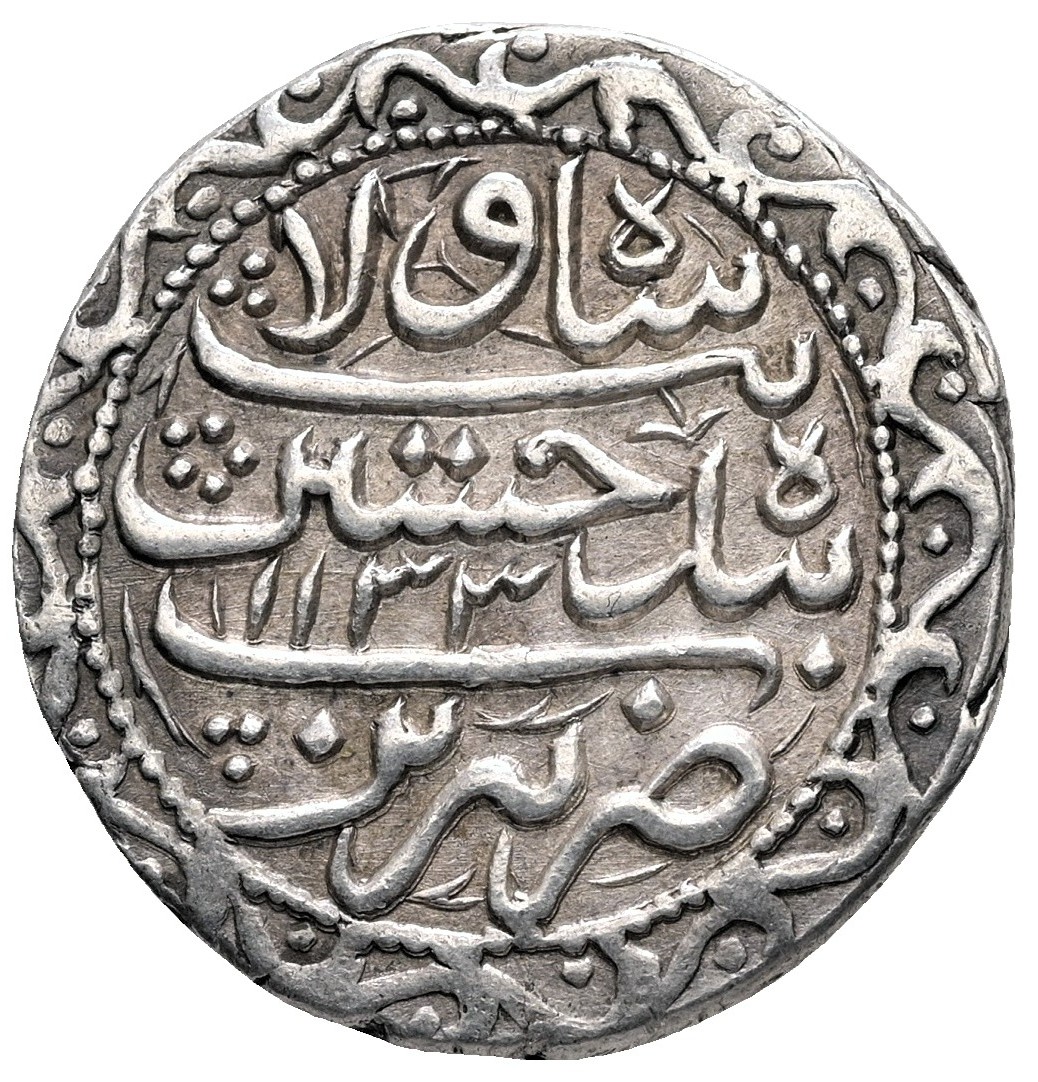
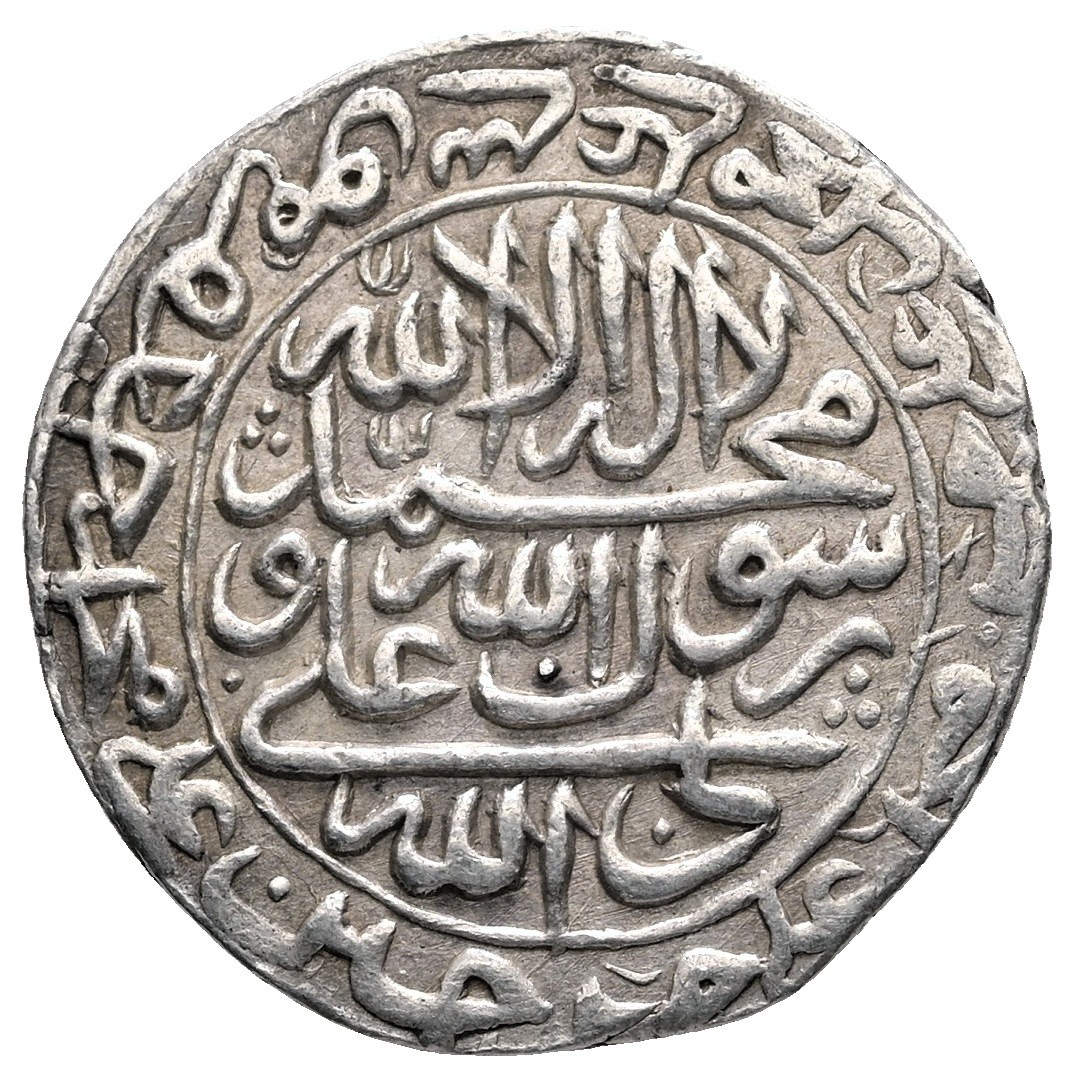
Safavid Persian Empire – Shah Husayn I Silver Abbasi, Tabriz 1133 AH / 1720–1721 AD
Premium historical Islamic silver treasure
House of Emirates® in London is thrilled to offer its elite clientele this magnificent, detailed, charming and historically significant silver Abbasi of Shah Husayn I (AH 1105–1135 / AD 1694–1722), struck at the historic Tabriz mint in 1133 AH (1720–1721 AD), during the final years of the illustrious Safavid Persian Empire. This exceptional Islamic silver coin represents an extraordinary surviving testament to Persian imperial heritage, combining the religious identity, royal authority and artistic sophistication of one of the most influential dynasties in Islamic history.
Its impressive calligraphic composition, deeply engraved Arabic and Persian inscriptions, and beautifully sculptured raised relief create a remarkable visual presence. Both faces display an elaborate arrangement of Islamic inscriptions framed by decorative circular borders, demonstrating the exceptional craftsmanship of Safavid minters. Weighing 5.41 grams and measuring 23.54 mm in diameter, this distinguished silver Abbasi embodies the enduring artistic and monetary traditions of Safavid Persia.
House of Emirates® in London is pioneering a new frontier in the global luxury market, redefining rare and ancient gold and silver coins as an entirely new class of luxury assets. By bringing extraordinary historical treasures into the luxury world, House of Emirates® is transforming how a new generation of discerning luxury buyers perceive, experience and own tangible assets of exceptional historical, cultural and artistic significance.
The Abbasi denomination takes its name from Shah Abbas I, the celebrated Safavid ruler whose monetary reforms established this important silver coinage within the Persian monetary system. The denomination continued under successive Safavid sovereigns, including Sultan Husayn, whose reign from 1694 to 1722 AD represented the final chapter of the dynasty’s imperial sovereignty.
Tabriz, the historic city in northwestern Persia, was an important political, commercial and cultural centre throughout the Safavid period. Its strategic geographical position connected Persian territories with the Caucasus, Anatolia and major international trading routes. The city’s importance was reflected in its monetary activity, making coins bearing the Tabriz mint attribution particularly interesting representations of Safavid provincial coinage.
Safavid silver coins is distinguished by its sophisticated combination of royal authority, Islamic religious identity and Persian artistic traditions. Its inscriptions frequently celebrated the oneness of God, the prophethood of Muhammad and the spiritual significance of Ali, reflecting the distinctive Twelver Shi’a identity of the Safavid state. Arabic and Persian calligraphy was arranged within carefully designed circular fields, often surrounded by elaborate ornamental inscriptions and decorative borders. These compositions transformed everyday monetary objects into miniature expressions of the dynasty’s religious and artistic identity.
The specific minting date of 1133 AH (1720–1721 AD) gives this specimen particular historical significance. It places the coin within the closing years of Sultan Husayn’s reign, a turbulent period marked by mounting political instability, military pressures and the weakening of Safavid imperial authority. In 1722 AD, the Afghan invasion culminated in the fall of Isfahan, bringing the dynasty’s long-standing imperial dominance to an end. Consequently, this Tabriz-minted Abbasi preserves a tangible connection to the final generation of Safavid sovereignty and an important transitional moment in Persian history.
Its remarkable visual character further enhances its appeal. The bold raised calligraphy, intricate inscriptional arrangement, carefully defined inner circles and elaborate ornamental borders create an almost sculptural appearance. Its substantial silver fabric and impressive surface relief preserve the distinctive character of traditional hammered Persian coinage. Every detail reflects the craftsmanship and artistic language of an era when coins served not merely as instruments of commerce but also as expressions of sovereignty, faith and imperial identity.
For investors in ancient Islamic numismatics, Persian imperial history and exceptional tangible heritage, this Sultan Husayn silver Abbasi offers an opportunity to own an authentic historical artefact from the closing years of the Safavid Empire. More than three centuries after its production, this remarkable silver treasure continues to communicate the grandeur of an empire through the enduring language of precious metal and masterful calligraphy.
SPECIFICATIONS
- Empire: Safavid Persian Empire
- Ruler: Sultan Husayn I
- Reign: AH 1105–1135 / AD 1694–1722
- Mint City: Tabriz, Safavid Persia (modern-day Iran)
- Minting Date: 1133 AH / 1720–1721 AD
- Denomination: Silver Abbasi
- Metal: Silver
- Weight: 5.41 grams
- Diameter: 23.54 mm
- Historical Period: Late Safavid Dynasty
- Manufacturing Technique: Hammer-struck
- Category: Ancient Islamic Silver Coin / Persian Imperial Numismatics
House of Emirates® — London — Where Eternity Becomes a Luxury Asset