Description
Own a majestic Umayyad silver dirham of Marwan II, struck at Wasit in 130 AH / 747–748 AD—a historic treasure from the Umayyad dynasty’s final years
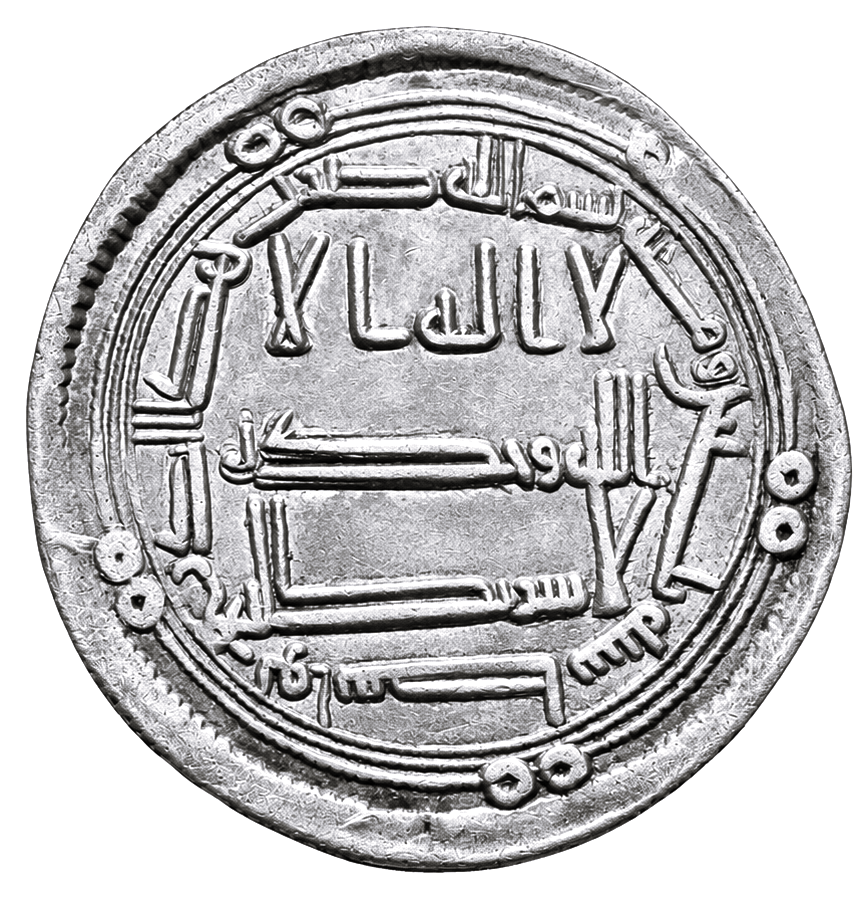
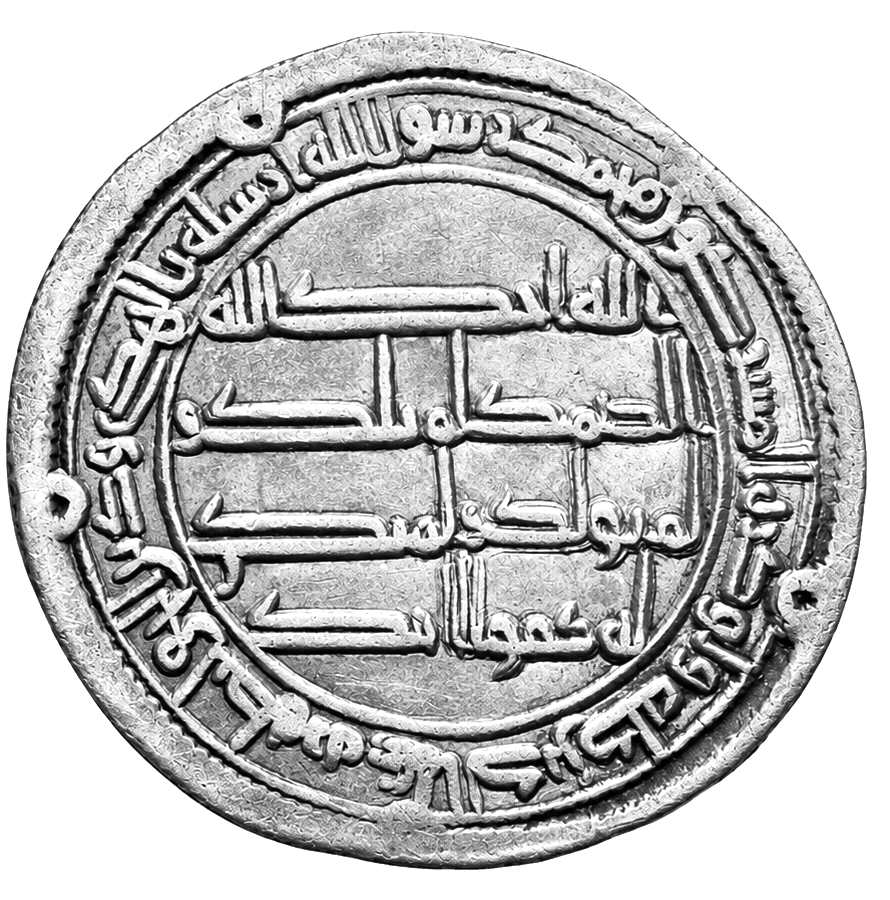
House of Emirates® in London is thrilled to offer its elite clientele this majestic Umayyad silver dirham, struck at the distinguished mint of Wasit in 130 AH / 747–748 AD, during the reign of Marwan II, the last caliph of the Umayyad Caliphate in the East. Dating back approximately 1,279 years, this remarkable silver treasure belongs to one of the most consequential periods in early Islamic history, when an imperial dynasty approached its dramatic end and the foundations of a new political order were taking shape. With a diameter of 24 mm and a weight of 2.91 g, this historic coin embodies the enduring authority, refined calligraphy and sophisticated monetary traditions of the early Islamic world.
Marwan II: The Last Umayyad Caliph
Marwan II ruled from 127–132 AH / 744–750 AD, inheriting an empire increasingly challenged by internal rivalries, provincial unrest and the rising Abbasid movement. An experienced military commander, he attempted to preserve Umayyad authority during the dynasty’s final years. Yet in 750 AD, the Umayyad forces suffered a decisive defeat at the Battle of the Great Zab, bringing Umayyad rule in the eastern Islamic world to an end. Marwan II subsequently fled to Egypt, where he was killed in the same year. His reign marked the closing chapter of the Umayyad Caliphate in the East, although the dynasty’s legacy survived through the establishment of Umayyad rule in al-Andalus in 756 AD.
Umayyad Coins struck during Marwan II’s reign are important historical witnesses to this turbulent transition. Rather than displaying royal portraits, these silver dirhams followed the established Islamic epigraphic tradition, using Arabic inscriptions to express religious principles and identify the issuing monetary authority. Their restrained yet powerful designs reflect the monetary reforms initiated under Caliph Abd al-Malik ibn Marwan, whose reorganisation of Islamic coinage established a distinctive system based on Arabic inscriptions rather than the traditional imagery of earlier Byzantine and Sasanian coins. Marwan II’s dirhams therefore represent the final phase of this influential Umayyad monetary tradition before the Abbasid revolution transformed the political landscape.
Wasit: A Strategic Centre of Islamic Silver Coinage
Founded during the reign of Abd al-Malik, Wasit became one of the principal administrative and monetary centres of the eastern Islamic territories. Situated in present-day Iraq, the city occupied an important strategic position and played a significant role in the financial and governmental machinery of the Umayyad state. Its mint produced substantial quantities of silver dirhams that circulated throughout the wider Islamic economic world.
The Wasit mint is particularly relevant to the study of Umayyad silver coinage because its output reflects the standardised monetary practices that supported commerce, taxation and state administration. A dirham dated 130 AH belongs to the final years of this system, when the Umayyad government continued striking conventional Islamic silver currency despite mounting political pressure. This coin consequently links the commercial life of eighth-century Iraq with the final years of one of the great dynasties of early Islamic history.
Epigraphic Beauty and Historical Character
The coin’s two faces display the characteristic arrangement of early Islamic silver dirhams, with inscriptions in elegant, angular Kufic-style Arabic script surrounded by circular borders. The central inscriptions proclaim Islamic monotheism, while the surrounding legends incorporate religious formulas and the traditional mint-and-date declaration. The absence of royal portraiture is not an omission but a defining characteristic of this reformed Islamic coinage, in which written declarations replaced figurative imperial imagery.
Its silver surface, intricate lettering and circular composition offer a compelling expression of early Islamic monetary artistry. At 24 mm in diameter, the coin presents a substantial canvas for its inscriptions, while its 2.91 g weight is consistent with the general weight range encountered among Umayyad silver dirhams, allowing for variation between individual specimens. More than a precious-metal object, it is a surviving document of political authority, religious expression and economic organisation from the eighth century.
For the discerning investor in ancient historical treasures, this Umayyad silver dirham offers a tangible connection to Marwan II and the final years of Umayyad rule in the East. Its precisely dated issue, attribution to the Wasit mint and association with a pivotal transformation in Islamic history make it a meaningful acquisition for a portfolio devoted to enduring historical assets. It also makes an exceptional heritage gift, carrying within its inscriptions the legacy of a civilisation whose influence extended across continents and centuries.
House of Emirates® — London — Where Eternity Becomes a Luxury Asset