£350.00
1 in stock
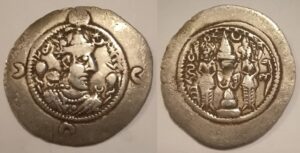
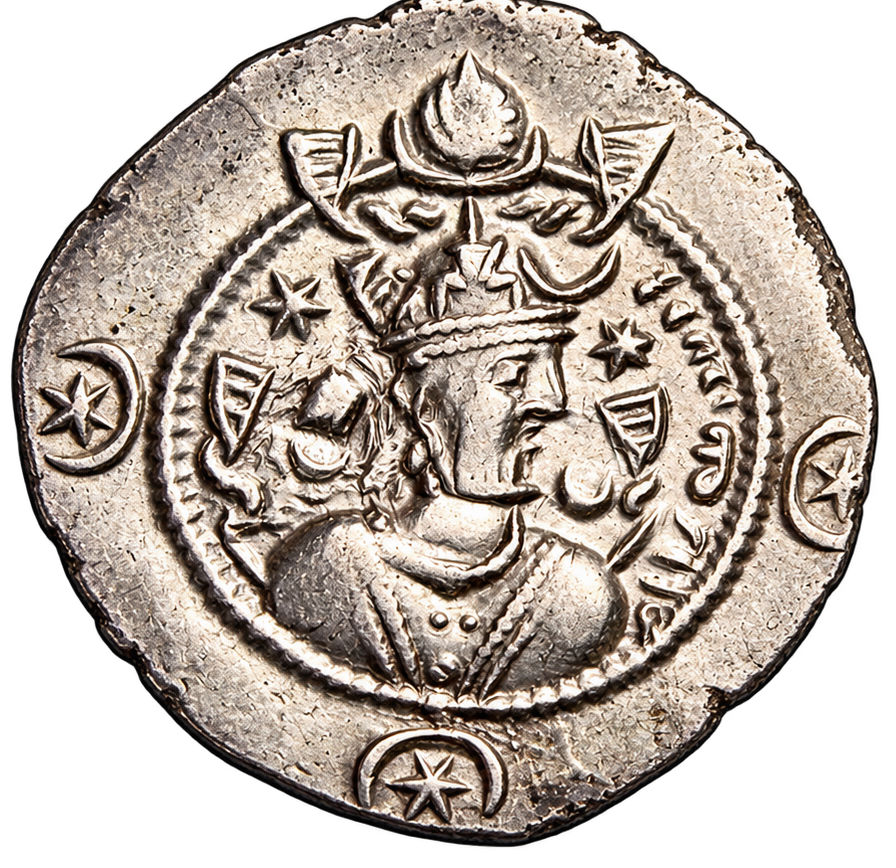
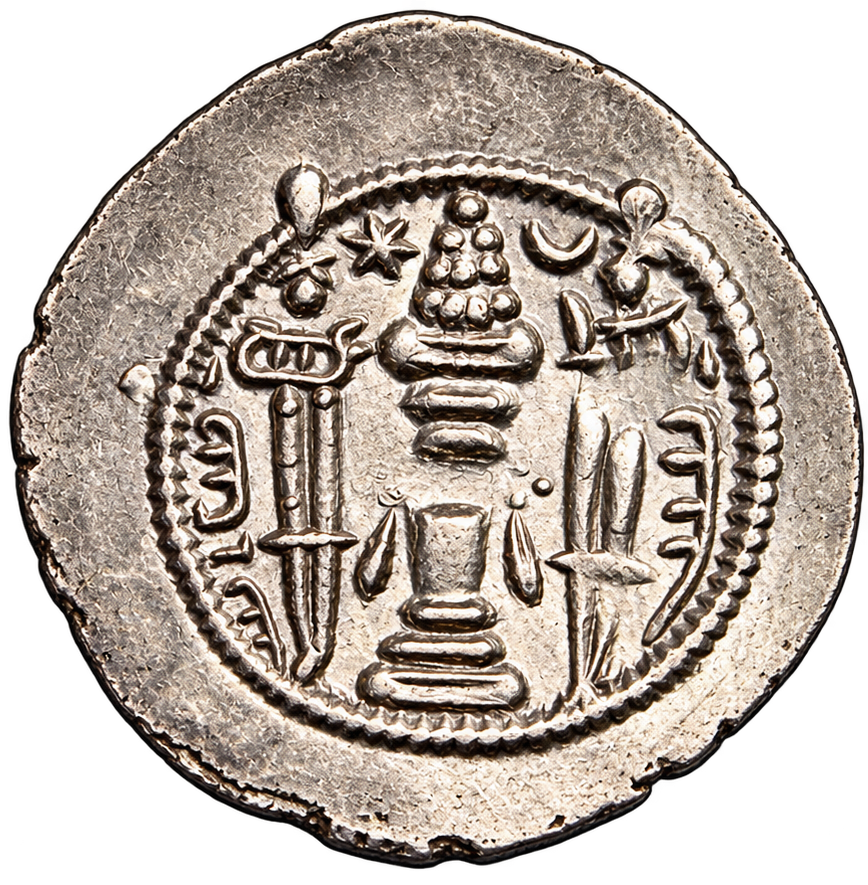
House of Emirates® in London is thrilled to offer its elite clientele this remarkable Sasanian silver drachm of King Kavad I (Kawad I), one of the most historically significant monarchs of the Sasanian Empire. Struck at the prestigious AS mint of Ctesiphon during regnal Year 23, this ancient Persian silver coin represents an extraordinary chapter in the history of imperial power, international commerce, and the enduring civilisation of late antique Persia. Weighing 4.08 grams, this Persian Silver Drachm embodies the artistry, monetary sophistication, and royal authority that distinguished Sasanian coinage during one of the most consequential periods in the history of the ancient Near East.
Kavad I ruled the Sasanian Empire during two separate periods, from approximately 488–496 AD and again from 498/499–531 AD. His reign unfolded during an era of intense political rivalry, military confrontation, economic pressure, and profound internal transformation. The Sasanian Empire, founded in 224 AD, was one of the great powers of the ancient world, controlling extensive territories across the Iranian plateau and neighbouring regions. Its principal rival was the Eastern Roman Empire, and the competition between these two imperial powers shaped the political and military landscape of the Near East for centuries.
Kavad I’s reign was particularly remarkable for the challenges he faced within his own empire. Following an initial deposition, he regained the throne and worked to consolidate royal authority, strengthen the monarchy, and restore the empire’s position. His reign also witnessed the rise of Mazdakism, a religious and social movement that became closely associated with the political tensions of the period. These developments make Kavad I an especially compelling historical figure, representing a monarchy navigating the delicate balance between imperial tradition, social change, and the demands of government.
A silver drachm bearing his royal portrait is therefore far more than an ancient monetary instrument. It is a tangible connection to a ruler whose reign helped shape the final century of Sasanian power before the dramatic transformations of the seventh century.
The identification of the AS mint, associated with Ctesiphon, adds considerable historical interest to this coin. Located near modern Baghdad in present-day Iraq, Ctesiphon served as a major royal residence and political centre of the Sasanian Empire. Positioned close to the Tigris River and along important commercial routes, the city occupied a strategic position connecting Mesopotamia, Iran, and the wider trading networks of Asia and the Mediterranean.
Ctesiphon was a centre of administration, diplomacy, commerce, and royal power. Coins struck at its mint participated in a monetary system that facilitated taxation, military expenditure, commercial transactions, and the movement of wealth throughout the empire. The AS mint designation connects this drachm to the sophisticated minting infrastructure that supported Sasanian imperial authority.
Sasanian silver drachms were among the defining coin types of late antique Persia. Their characteristic broad, relatively thin flans and carefully arranged royal and religious imagery established a distinctive visual identity that continued to influence regional monetary traditions. The obverse typically presents the crowned bust of the king, accompanied by royal regalia and inscriptions, while the reverse traditionally features a fire altar flanked by attendants, reflecting the importance of Zoroastrian religious symbolism within the imperial state.
The combination of royal portraiture and sacred imagery communicated the relationship between monarchy, religious tradition, and the legitimacy of imperial rule. These coins circulated across extensive territories and were recognised within commercial networks extending beyond the empire’s political boundaries.
At 4.08 grams, this silver drachm offers a substantial physical connection to that monetary tradition. Its ancient silver surface, engraved details, and distinctive Sasanian designs preserve the character of a coin produced in an era when Ctesiphon stood among the great centres of power in the Near East.
For investors in ancient numismatics, a Sasanian silver drachm of Kavad I offers an appealing combination of historical importance, recognisable imperial imagery, and a direct association with one of Persia’s most influential dynasties. Its attribution to Ctesiphon and its regnal Year 23 provide specific historical points of reference, while its silver composition reflects the monetary traditions that sustained the Sasanian state.
Ancient Persian coins occupy an important place within the wider field of world numismatics, bridging the histories of the Roman and Byzantine worlds, the Iranian empires, and the emerging political order of the early medieval period. A coin of Kavad I brings these interconnected histories into a single, tangible object.
House of Emirates® in London presents this Sasanian silver drachm as a historic treasure for the discerning investor who values ancient civilisations, imperial heritage, and the enduring significance of tangible historical assets. Its appeal lies not merely in its silver, but in the centuries of history represented by its royal portrait, mint attribution, and place within the monetary system of the Sasanian Empire.
Historical Specifications