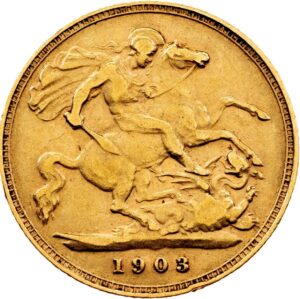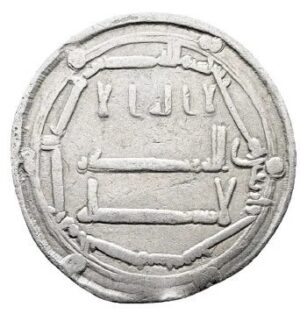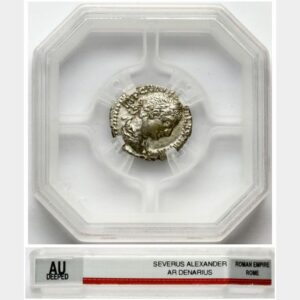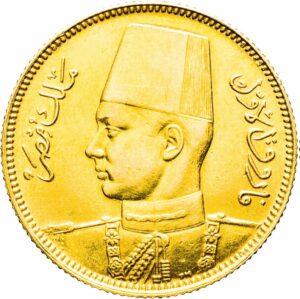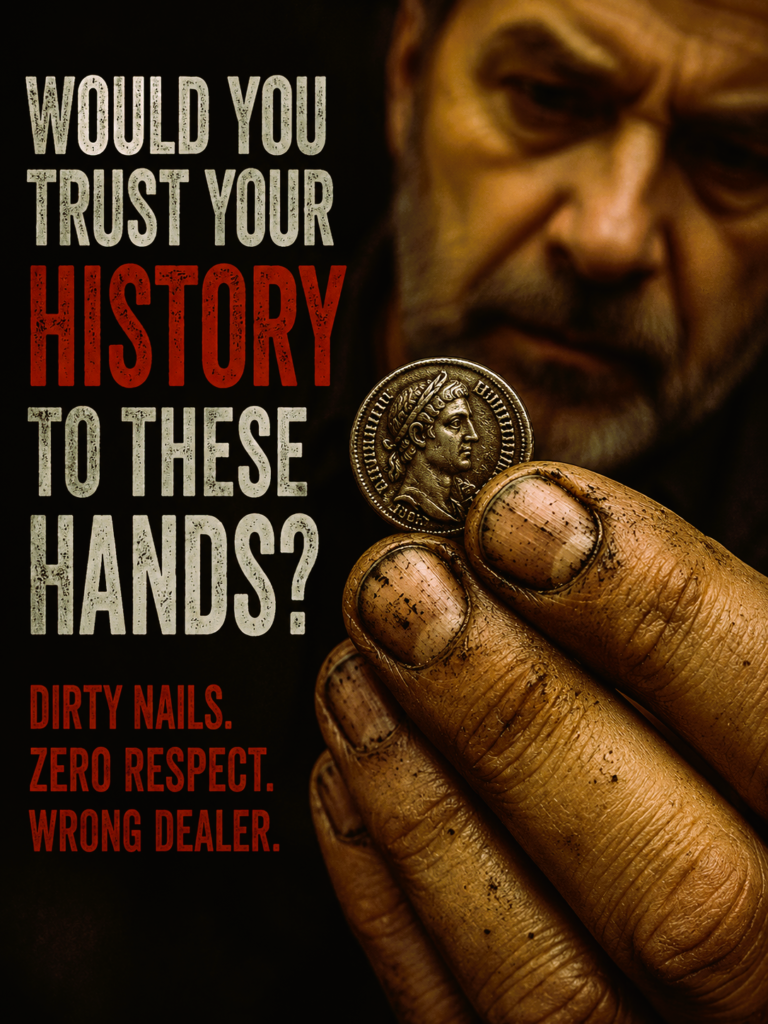
Ancient coins are not ordinary objects. They are survivors.
A Roman denarius may have passed through the hands of soldiers, merchants, emperors, tax collectors and ordinary citizens nearly 2,000 years ago. Scholars believe an ancient Greek silver coin circulated in a world that vanished centuries before modern era could be imagined. Islamic dirhams, Byzantine coins and other historic pieces can carry an extraordinary physical connection to civilizations that existed long before us.
So why would anyone handle such a remarkable piece of history with bare, greasy fingers?
There is simply no good reason.
For serious ancient coin collectors, dealers, museums and specialists, wearing gloves while presenting, examining and photographing ancient coins is not an unnecessary theatrical gesture. It is a basic demonstration of care, professionalism and ultimate respect.
Human skin naturally contains oils, moisture, salts, acids and other contaminants. Every time you touch a coin with your bare fingers, you potentially transfer some of that material onto its surface.
Ancient coins can be particularly sensitive because their surfaces have survived for centuries or millennia. Their patina, toning, deposits and microscopic surface characteristics are part of their historical character.
The last thing an ancient coin needs is a coating of modern fingerprints.
And let’s be brutally honest: your fingers are not museum equipment.
You wash your hands, you shower, you work, you touch your phone, your keyboard, door handles, packaging and countless other surfaces. Even apparently clean hands are not chemically neutral.
That is why professional handling practices matter.
When someone places a 2,000-year-old Roman coin between their thumb and index finger like a supermarket token, something is fundamentally wrong with the presentation.
This is not merely about hygiene. It is about respect for history.
An ancient coin is a surviving artifact from another world. An emperor whose name appears in history books may have minted the coin. It may have circulated during wars, political revolutions, religious transformations and the rise and fall of civilizations.
Treating it casually sends the wrong message. A reputable ancient coin dealer should understand that every piece deserves careful examination and presentation.
Let’s address the uncomfortable subject that nobody wants to mention.
When buying an ancient coin online, you sometimes see dealers proudly displaying coins between bare fingers while the camera captures every detail of their hands. Why?
We do not need a close-up of your fingernails.
Ancient coin collectors want to see the coin — not dirt underneath fingernails, damaged cuticles, questionable nail hygiene or whatever else happens to be living around the edges of someone’s fingers.
It is unnecessary, distracting and frankly unpleasant. A luxury ancient coin presentation should look luxurious.
A specialist handling an ancient Roman, Greek, Byzantine or Islamic coin should be thinking about the artifact — not treating it like a poker chip.
Collectors should look beyond the coin itself. Ask yourself:
Does the coin dealer handle the coin professionally?
Are gloves used when appropriate?
Are coins placed on clean, suitable surfaces?
Does the dealer understand preservation and conservation?
Does the presentation demonstrate respect for historical artifacts?
These details tell you something about the dealer’s standards.
Of course, gloves alone do not prove that a dealer is trustworthy. A person can wear gloves and still provide poor descriptions, questionable provenance or inadequate photographs.
But careless handling is certainly a warning sign. If a dealer cannot be bothered to take basic precautions while handling an object that has survived for hundreds or thousands of years, collectors are perfectly entitled to question what other corners that dealer is willing to cut.
Proper gloves can reduce direct contact between skin and the coin and help prevent fingerprints and contamination during examination and presentation.
For valuable or particularly sensitive pieces, professional institutions may use specific handling procedures and materials appropriate to the object. The exact glove choice can depend on the material, condition and conservation requirements of the artifact.
The important principle is simple:
Do not unnecessarily put bare skin on historic surfaces.
And remember: gloves themselves must be clean. Wearing dirty gloves defeats the entire purpose.
The ancient coin market deals in objects that have outlived empires. That demands a different mentality.
You are not selling a mass-produced commodity manufactured last Tuesday. You are handling history.
Whether it is an ancient Greek silver coin, Roman denarius, Byzantine gold coin, Islamic dirham or medieval Islamic coin, the object deserves careful treatment from the moment it enters a dealer’s hands until the moment it reaches its next custodian.
Collectors should demand that standard.
If a dealer treats an ancient coin like pocket change, walk away.
If the presentation is careless, the handling is careless and the entire attitude toward the artifact is careless, there are plenty of reasons to look for a more professional source. Because ultimately, buying an ancient coin is not simply buying metal.
You are acquiring a surviving fragment of human history.
And history deserves better than greasy fingerprints, careless handling and someone’s disgusting fingernails.
Handle ancient coins with gloves. Handle them with knowledge. Handle them with respect.