Description
Philip I the Arab, Silver Antoninianus, Rome, AD 245–246 — ROMAE AETERNAE
House of Emirates® in London is thrilled to offer its elite clientele this exceptional silver antoninianus of Emperor Philip I, known to history as Philip the Arab, struck at the Imperial Mint of Rome in AD 245/246. Dating to the height of his reign (AD 244–249), this remarkable ancient Roman coin represents an extraordinary surviving artefact from the turbulent yet culturally significant third century AD.
Bearing the powerful reverse inscription ROMAE AETERNAE, meaning “To Eternal Rome”, this Roman Silver Coin celebrates the enduring identity, greatness and imperial legacy of Rome. Weighing 3.30 grams and measuring 22.6 mm in diameter, this historic silver issue combines imperial portraiture, classical symbolism and remarkable historical significance in a tangible treasure almost 1,780 years old.
House of Emirates® in London is pioneering a new frontier in the global luxury industry, creating an entirely new category of luxury assets by positioning rare and ancient gold and silver coins as exceptional luxury products. Through its visionary approach, House of Emirates® is bridging the worlds of ancient heritage, precious metals, historical significance and contemporary luxury, transforming centuries-old treasures into highly distinctive tangible assets for a new generation of sophisticated luxury buyers and investors. By challenging traditional perceptions of luxury and introducing historical coins into the international luxury marketplace, House of Emirates® is redefining how exceptional treasures are valued, presented, experienced and owned. This pioneering vision represents a bold new chapter in the evolution of the global luxury industry.
Philip I the Arab — An Emperor at the Heart of Roman History
Marcus Julius Verus Philippus, known as Philip I the Arab, ruled the Roman Empire from AD 244 to 249. Born in the Roman province of Arabia, he rose through the imperial administration and military ranks before becoming emperor following the death of Gordian III. His accession marked a fascinating chapter in Roman imperial history, demonstrating the extraordinary geographical reach and multicultural character of the Roman Empire.
His reign unfolded during the Crisis of the Third Century, a period characterised by military conflicts, political instability and considerable pressure on Rome’s frontiers. Despite these challenges, Philip sought to reinforce imperial authority, maintain stability and preserve the prestige of the Roman state. One of the most celebrated events of his reign was the spectacular millennium celebration of Rome in AD 248, commemorating the traditional foundation of the Eternal City in 753 BC.
ROMAE AETERNAE — The Eternal Spirit of Rome
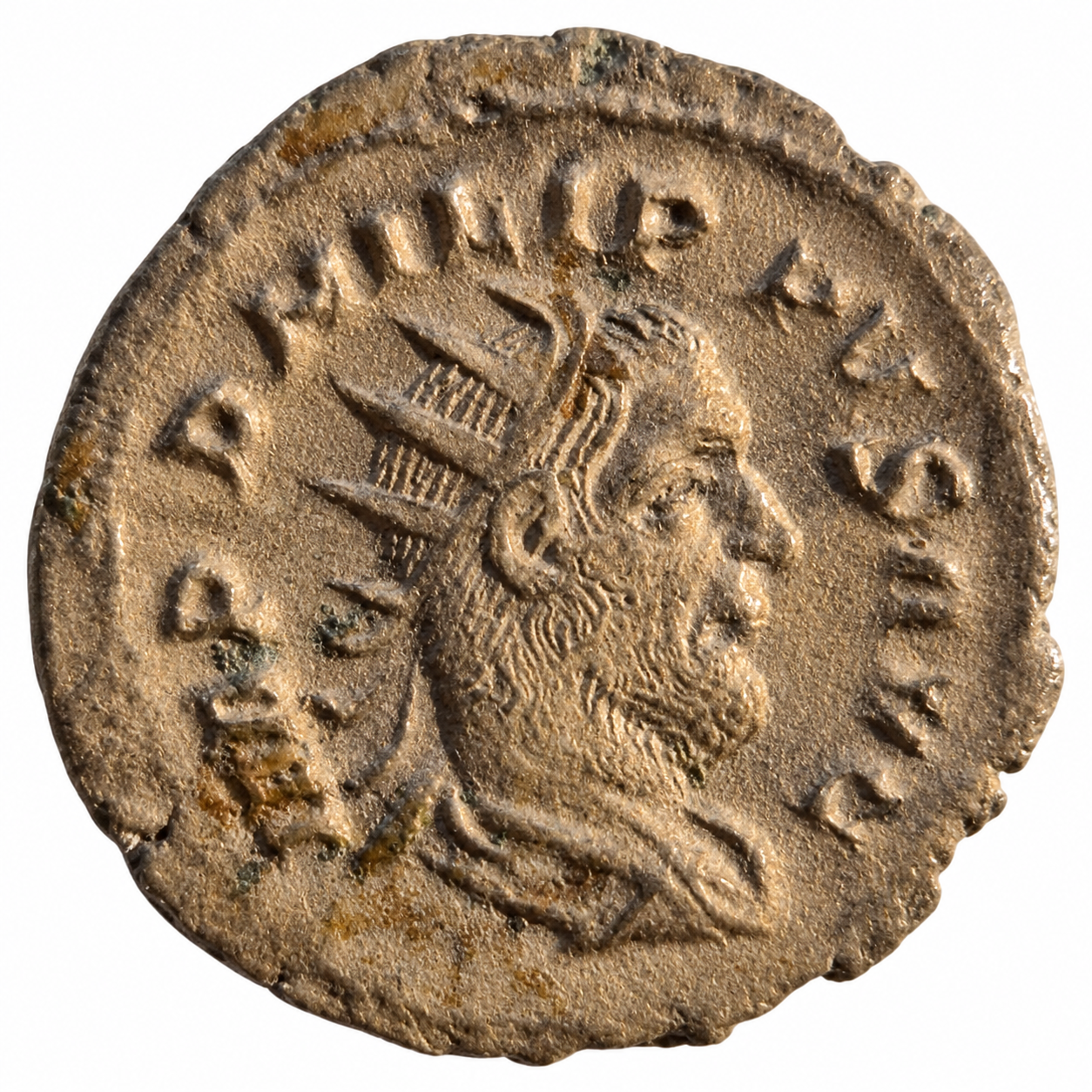
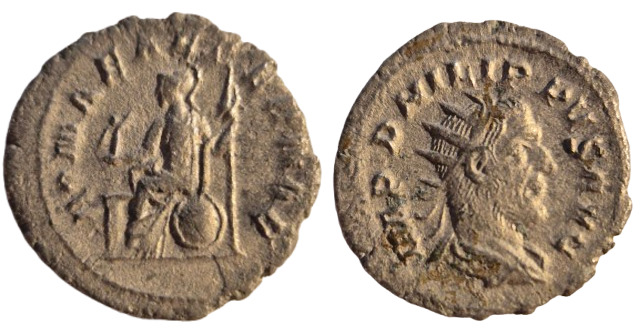
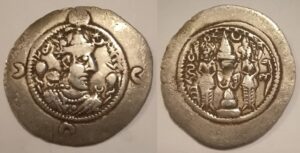
The obverse presents a striking radiate, draped and cuirassed portrait of Philip I facing right, surrounded by the imperial inscription IMP M IVL PHILIPPVS AVG, identifying him as Imperator Marcus Julius Philippus Augustus. The radiate crown, traditionally associated with the antoninianus denomination, symbolises imperial authority and distinguishes this denomination from the conventional silver denarius.
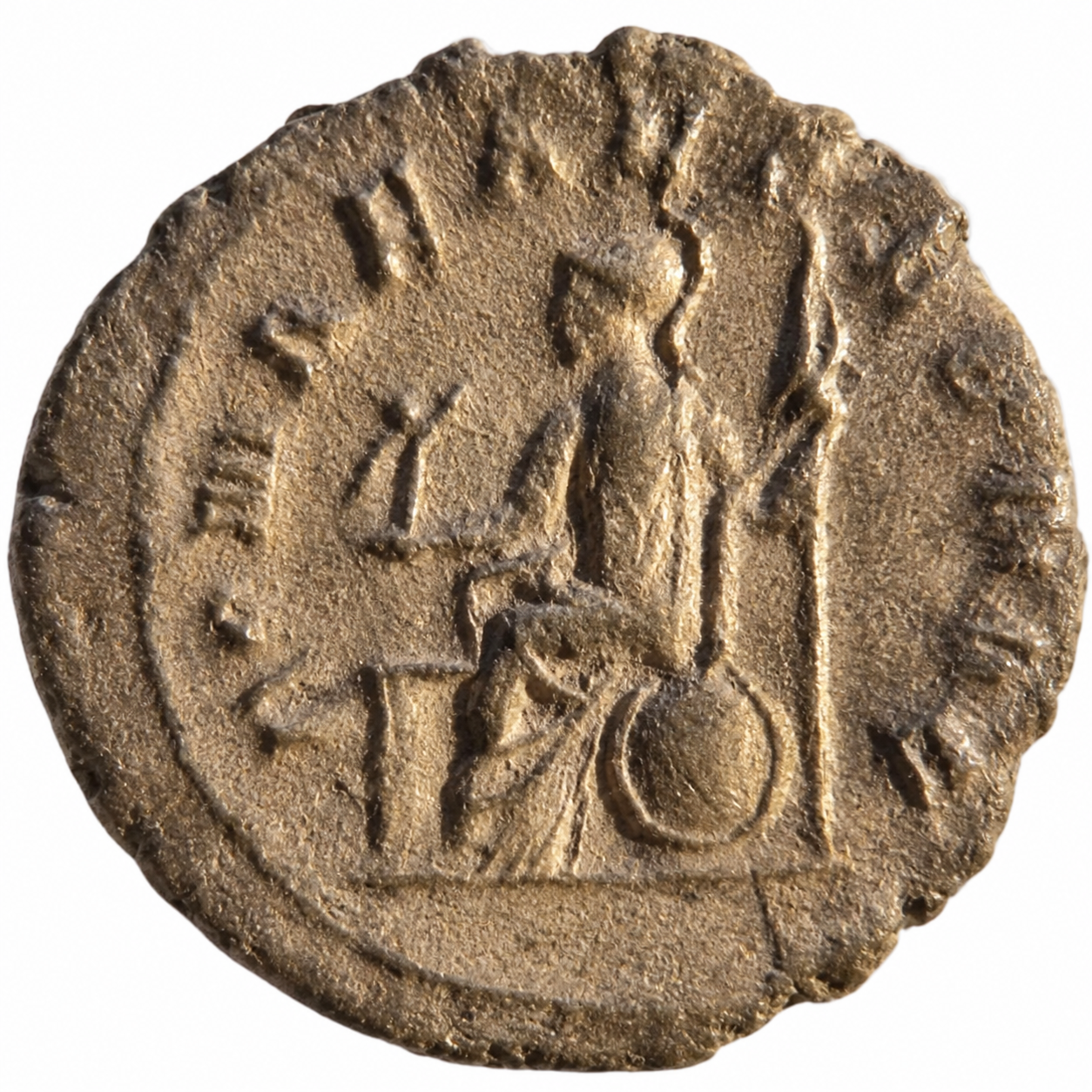
The reverse features Roma, the female personification and divine guardian of Rome, seated majestically to the left upon a shield. She holds a winged Victory in her right hand and a long sceptre in her left, representing triumph, authority and the enduring power of the Roman state. Encircling the composition is the inscription ROMAE AETERNAE, proclaiming the everlasting destiny of the imperial capital.
This imagery is particularly meaningful. Roma was not simply a symbolic representation of a city; she embodied the political identity, military strength and civilisational legacy of an empire that dominated much of the known world. The message of eternal Rome was a powerful statement of continuity and imperial confidence during an era of considerable uncertainty.
A Remarkable Tangible Connection to Ancient Rome
Almost eighteen centuries after its production, this silver antoninianus remains a compelling witness to Roman political history, artistic traditions and imperial ideology. Its identifiable emperor, historical mint, Latin inscriptions and recognisable classical imagery give it exceptional historical character. For discerning investors and admirers of historical luxury assets, it offers an opportunity to own an authentic piece of the Roman Empire, connecting contemporary ownership with one of the most influential civilisations in human history.
Historical Specifications
- Ruling Emperor: Philip I the Arab (Marcus Julius Verus Philippus)
- Empire: Roman Empire
- Period: AD 244–249
- Denomination: Silver Antoninianus (AR)
- Mint: Rome, Imperial Mint
- Date of Issue: AD 245/246
- Obverse Legend: IMP M IVL PHILIPPVS AVG
- Obverse Design: Radiate, draped and cuirassed bust of Philip I facing right
- Reverse Legend: ROMAE AETERNAE
- Reverse Design: Roma seated left on a shield, holding Victory and a long sceptre
- Metal: Silver
- Weight: 3.30 grams
- Diameter: 22.6 mm
- Condition: Very Fine (VF)
- References: Cohen 165; RIC IV 44
House of Emirates® — London — Where Eternity Becomes a Luxury Asset.