London – UK
The luxury industry has traditionally been dominated by recognizable categories: haute couture, fine jewelry, prestigious watches, luxury automobiles, exceptional real estate and exclusive works of art. For generations, these products have represented wealth, social distinction, craftsmanship and personal achievement. However, the definition of luxury is undergoing a profound transformation. A new generation of affluent buyers is increasingly questioning the traditional relationship between luxury, consumption and value. They are looking beyond recognizable brand names and temporary fashion statements towards objects that possess genuine rarity, historical significance, cultural importance and an enduring identity.
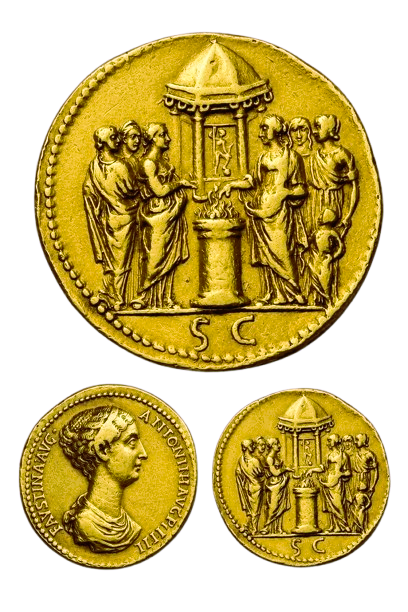
It is within this evolving landscape that House of Emirates®, the London-based luxury house, has developed a distinctive proposition: positioning rare and ancient gold and silver coins as a new class of luxury assets, bringing together the worlds of precious metals, historical treasures, fine collecting, investment-oriented ownership and luxury lifestyle. Rather than presenting ancient coins merely as historical artifacts or conventional numismatic products, House of Emirates® has sought to reposition them as exceptional luxury possessions worthy of the same consideration traditionally reserved for prestigious watches, exceptional jewelry and fine art. This represents a significant conceptual shift in how these objects are presented, understood and experienced. An ancient gold coin is not simply a piece of precious metal. It is an authentic fragment of human civilization, carrying the imprint of an emperor, a kingdom, a dynasty or an extraordinary historical moment. It may have survived wars, political transformations, the collapse of empires and centuries of human history.
Its gold or silver composition provides an intrinsic material dimension, while its historical identity, rarity, condition, provenance and artistic characteristics contribute to its individual desirability. Unlike contemporary luxury products manufactured in large quantities, many ancient coins are surviving historical objects that cannot simply be reproduced. Their appeal therefore rests on a combination of physical substance, historical authenticity and genuine scarcity.
House of Emirates® recognized an opportunity to translate these qualities into the language of modern luxury. Its proposition challenges the conventional separation between luxury products and tangible assets, introducing a category in which historical significance becomes part of the luxury experience and precious-metal ownership acquires a deeper cultural dimension. The philosophy is captured in the House of Emirates® positioning: Eternity as a luxury asset It is an approach that moves luxury beyond the temporary satisfaction of consumption towards the enduring appeal of owning something that has already witnessed centuries of history.
Why a New Generation of Luxury Buyers Is Embracing Ancient Treasures
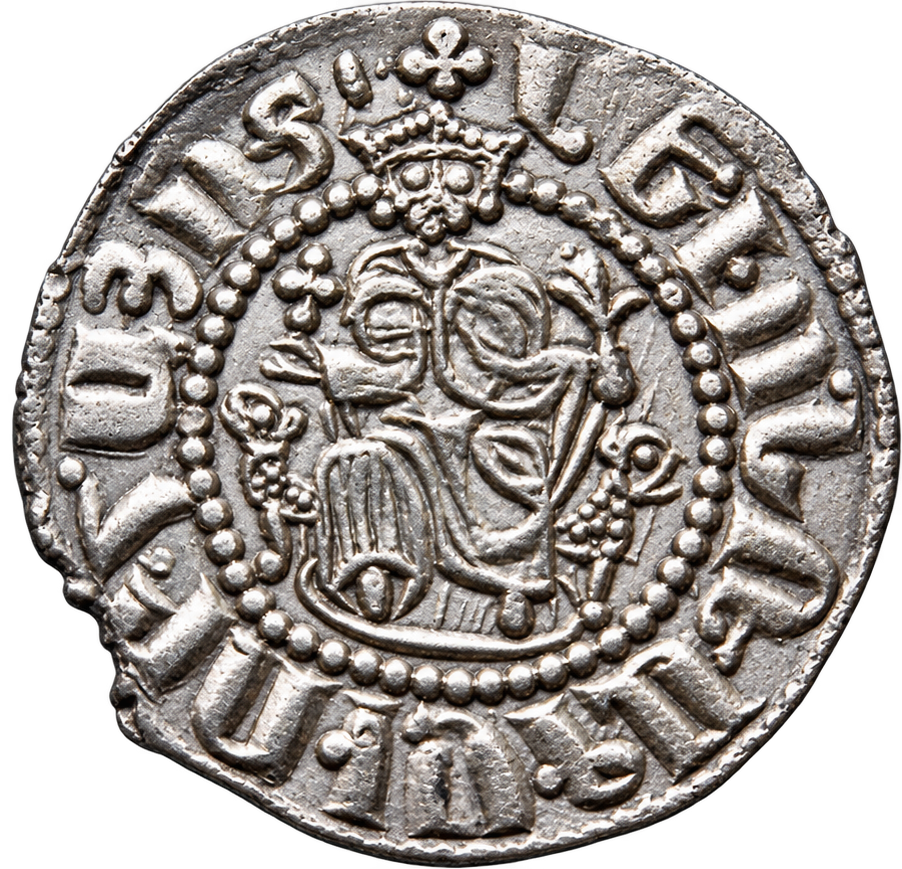
The emergence of this category is particularly relevant to younger affluent consumers, including Millennials and Generation Z, whose expectations of luxury differ in important ways from those of previous generations. Today’s emerging luxury buyers are not necessarily impressed by traditional status symbols alone. They increasingly seek individuality, authenticity, meaningful ownership, personal identity and products with compelling stories. A prestigious handbag may communicate a particular lifestyle, and a luxury watch may demonstrate an appreciation of craftsmanship, but an ancient gold coin offers something fundamentally different: the opportunity to own an authentic object that existed long before the modern luxury industry itself. Consider the distinction between purchasing a newly manufactured gold accessory and acquiring a gold coin struck under a Roman emperor nearly 2,000 years ago.
Both may contain precious metal, but the latter possesses a historical identity that cannot be recreated. Its appeal is not dependent on seasonal fashion, celebrity endorsements or the latest advertising campaign. It has its own story, artistic character and place in history. This distinction resonates with a generation increasingly attracted to meaningful possessions rather than purely conspicuous consumption. Research supports the direction of this transformation.
McKinsey’s State of Fashion 2026 identifies how younger affluent consumers increasingly associate luxury with personal identity, exclusivity, individuality and premium quality, rather than wealth alone. Meanwhile, EY’s Luxury Client Index 2026 identifies material quality and brand heritage as two of the most important luxury purchase drivers, at 65% and 52% respectively. Its research also highlights the importance of experiences and distinctive ownership models in building relationships with younger luxury customers.
These findings reveal an opportunity for historically significant coins to occupy a compelling position within the modern luxury landscape. For the new generation, the attraction is multifaceted.
First, there is exclusivity through genuine rarity. Unlike mass-produced luxury accessories, a historically important coin may be one of a limited number of surviving examples, with its own individual characteristics.
Second, there is intellectual luxury. Ownership becomes an opportunity to explore ancient civilisations, monetary systems, artistic traditions, political history and the personalities who shaped the world.
Third, there is individual expression.
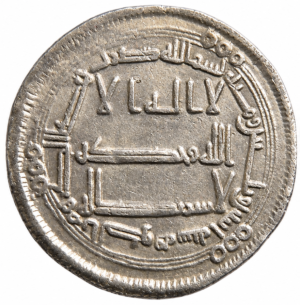
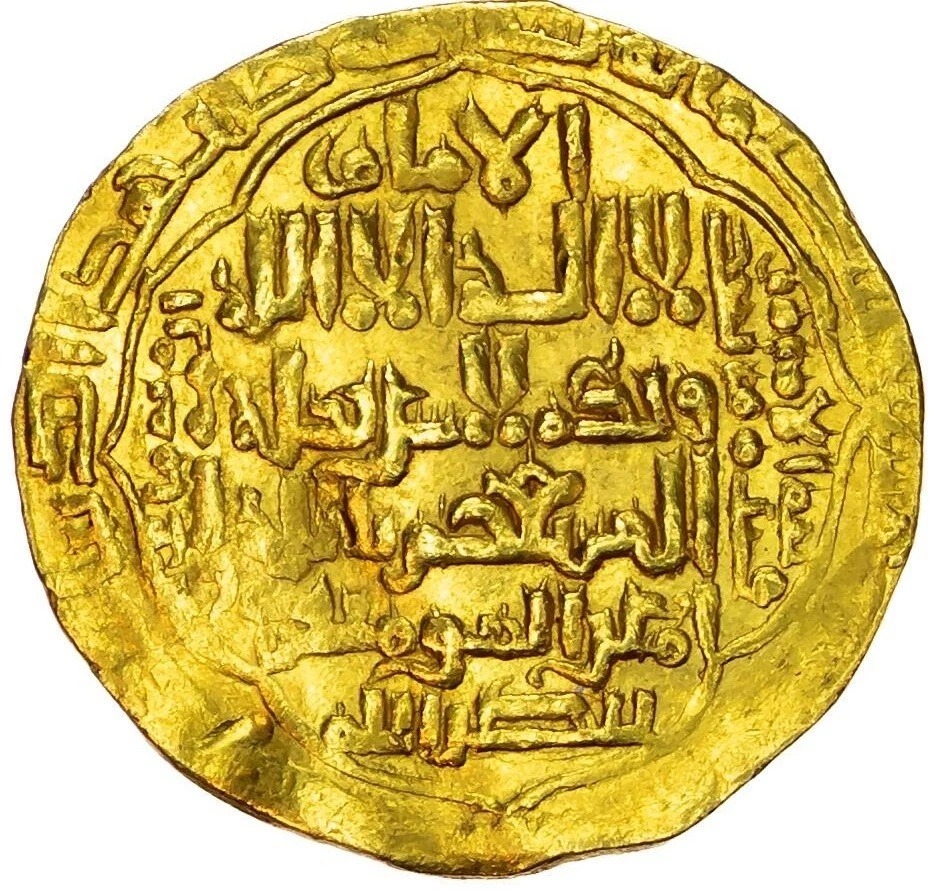
A rare Islamic gold dinar, a Roman imperial aureus, a Byzantine solidus or an ancient silver coin communicates an interest in history, culture and sophistication that goes beyond conventional luxury consumption.
Fourth, there is tangible ownership. In an increasingly digital world, owning an authentic physical object with centuries of history offers a particularly compelling emotional experience. Finally, there is intergenerational significance. These objects can become family heirlooms, passed between generations alongside their historical stories.
Ipsos reported in its 2026 luxury trends research that 51% of affluent Gen Z consumers globally purchase luxury items with the intention of passing them down to the next generation. This demonstrates that heritage and legacy are not exclusively concerns of older wealthy consumers. They are increasingly relevant to tomorrow’s luxury buyers. Ancient coins consequently offer an unusual combination: they can be enjoyed as exceptional luxury possessions today while potentially becoming meaningful family treasures tomorrow.
Their financial dimension adds another layer of interest. Gold and silver have established roles in global precious-metal markets, and the World Gold Council identifies gold’s potential contribution to long-term portfolio diversification and wealth preservation. Nevertheless, an important distinction must be made: the value of an ancient coin is not determined by its metal content alone. Its numismatic value may depend on rarity, condition, historical importance, authenticity, provenance and market demand. Prices can fluctuate, and neither gold content nor historical age guarantees appreciation. The intelligent luxury buyer understands that the attraction lies in the combination of tangible substance and historical distinction, not in an assurance of financial returns.
House of Emirates® and the Future of Luxury Asset Ownership
What makes the House of Emirates® proposition particularly distinctive is its ambition to take this historical category beyond conventional numismatics and integrate it into the contemporary luxury marketplace. The company has developed a luxury-oriented presentation and ownership experience in which rare gold and silver coins are treated as exceptional possessions rather than ordinary historical commodities. This involves more than simply offering a coin for sale. It means communicating the significance of its historical period, explaining its cultural and monetary importance, emphasising its physical characteristics and presenting it in a manner consistent with the expectations of a discerning luxury clientele.
The experience transforms the acquisition from a conventional transaction into an opportunity to own a tangible piece of history. House of Emirates® has also explored the intersection between physical historical treasures and emerging blockchain technology, positioning itself at the forefront of the physical NFT (pNFT) concept through its tokenisation of ancient coins and treasures. In this model, the physical historical object is connected with a digital token representing its associated digital ownership or entitlement under the relevant contractual framework. The objective is to combine the authenticity and emotional appeal of a physical treasure with the possibilities of digital identification, traceability and emerging digital ownership infrastructure. Such developments speak directly to a generation comfortable with digital assets, blockchain technology and new forms of ownership. Importantly, tokenisation does not automatically establish legal title, guarantee authenticity or create liquidity; these depend on the underlying legal arrangements, independent verification and the rights attached to each token. Nevertheless, the integration of physical treasures with digital infrastructure opens interesting possibilities for the future of luxury asset markets. It also demonstrates that historical objects need not remain disconnected from technological innovation.
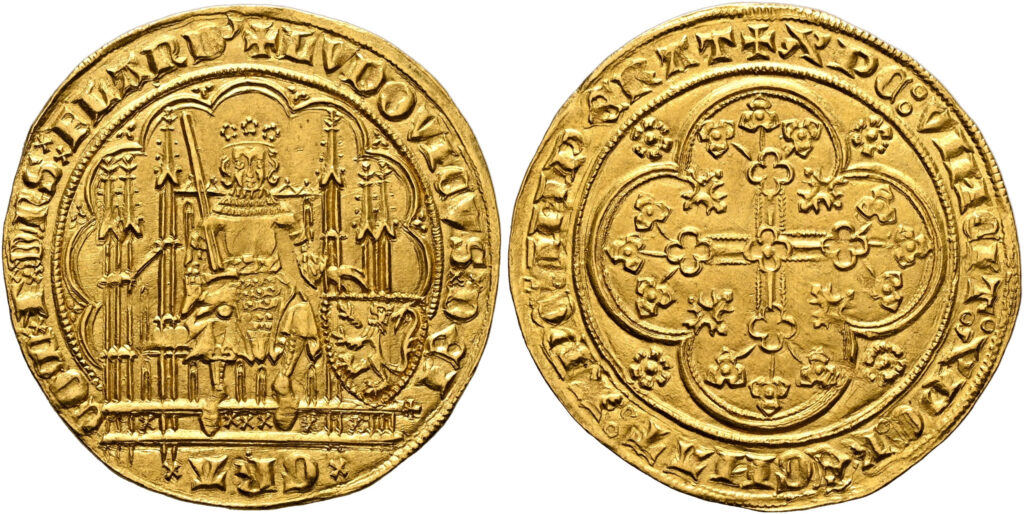
The broader opportunity is substantial: luxury buyers are increasingly interested in possessions that combine beauty, substance, cultural relevance and enduring meaning. Ancient gold and silver coins can satisfy several of these aspirations simultaneously. They can be displayed, studied, gifted, inherited and, where appropriately structured, incorporated into a broader portfolio of tangible assets. They offer something that many contemporary luxury products cannot: a direct physical connection to civilisations that existed centuries or even millennia before the present day. A Roman coin is not simply a luxury purchase; it is a surviving witness to the Roman world. An Abbasid gold dinar is not merely an object made of gold; it represents an extraordinary chapter in Islamic civilization, commerce and intellectual history. A Byzantine solidus embodies the artistic, monetary and political legacy of an empire that endured for more than a thousand years. These objects possess an identity independent of contemporary trends. This is the essence of the category House of Emirates® is building: luxury assets with a historical soul and tangible substance.
The future of luxury will not necessarily belong exclusively to the brands with the largest advertising budgets or the most recognizable logos. It will increasingly reward those capable of offering authenticity, distinction, exceptional quality and meaningful ownership. House of Emirates® is advancing a vision in which rare and ancient coins are recognized not merely for their historical or numismatic importance, but also for their place within the wider world of international luxury. By bridging heritage, precious metals, technology and contemporary luxury aspirations, the company is helping redefine what an exceptional luxury possession can be. In a marketplace where new products are manufactured every day, there is something profoundly different about owning an object that has already survived 1,000 or 2,000 years.
Some luxuries are made to impress the present. Others have already conquered time. House of Emirates® — London — Where Eternity Becomes a Luxury Asset.