House of Emirates® Coins Store
Ancient coins are among the most fascinating and valuable collectibles in the world. Combining history, precious metals, rarity, artistry and archaeological importance, the most valuable ancient coins can command extraordinary prices at international auctions. For collectors searching for rare ancient coins, valuable gold coins, antique coins, ancient Roman coins, ancient Greek coins and Islamic gold coins, the market offers some remarkable examples of wealth preserved in eternal form. So let us know discover the Most Valuble Ancient coins.
The value of an ancient coin depends on several factors, including rarity, historical importance, condition, provenance, precious-metal content, artistic quality and demand among collectors. A coin that is thousands of years old is not automatically valuable. In fact, some ancient coins are relatively common, while an exceptionally rare example associated with an important ruler, historical event or unusual mint can be worth millions.
Gold ancient coins are particularly sought after because they combine historical significance with intrinsic precious-metal value. Among the most desirable are ancient Greek gold coins, Roman gold coins, Byzantine gold coins and Islamic gold dinars.
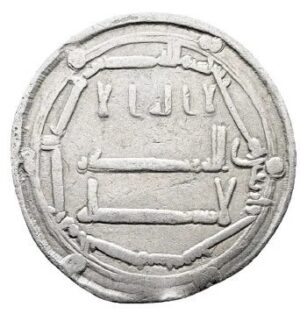
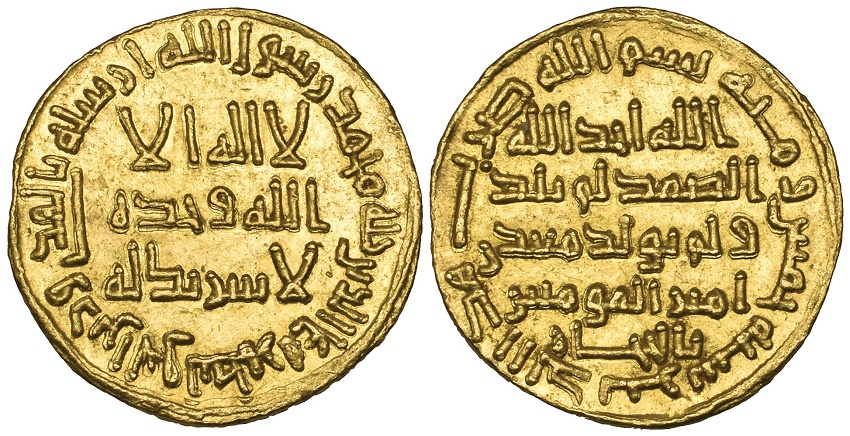
One of the most spectacular categories in ancient numismatics is the Islamic gold dinar. First introduced under the Umayyad Caliphate in the late seventh century, the gold dinar became an important monetary and historical symbol of the early Islamic world.
The extraordinary value of rare Islamic coins was demonstrated in 2011 when an exceptionally rare Umayyad gold dinar dated AH 105 (723–724 AD) was sold by Morton & Eden in London for £3.72 million, approximately $6 million including the buyer’s premium. At the time, it became the second-most expensive coin ever sold at auction.
This particular Islamic gold dinar is exceptionally important because it bears the inscription “Ma’din Amir al-Mu’minin bi’l-Hijaz,” generally translated as the “Mine of the Commander of the Faithful in the Hejaz.” Specialists associate the inscription with gold originating from a mine belonging to the caliph. The coin is also historically significant because the “bi’l-Hijaz” reference makes it an exceptionally early Islamic coin to identify a location in the region.
The same extraordinary type continued to attract enormous interest. Another example sold in 2019 for £3.1 million hammer, approximately $4.78 million including the buyer’s premium. In January 2026, a third example of this extremely rare type sold at the CNG Triton XXIX auction for $1.1 million before buyer’s fees.
These results demonstrate why rare Islamic gold dinars, Umayyad coins and early Islamic gold coins are increasingly important to serious collectors of ancient and historical coins.
Ancient Greek coins are another major category in the world of valuable ancient coins. Greek mints produced some of antiquity’s most sophisticated coin designs, featuring rulers, gods, goddesses, animals and mythological symbols.
Coins associated with major city-states and rulers can achieve substantial prices when they possess exceptional rarity and condition. Collectors particularly value ancient Greek gold coins, silver tetradrachms, decadrachms and rare coins from important historical periods.
Their appeal extends beyond their precious-metal content. Ancient Greek coins provide a tangible connection to civilizations that shaped art, politics, philosophy and commerce across the Mediterranean.
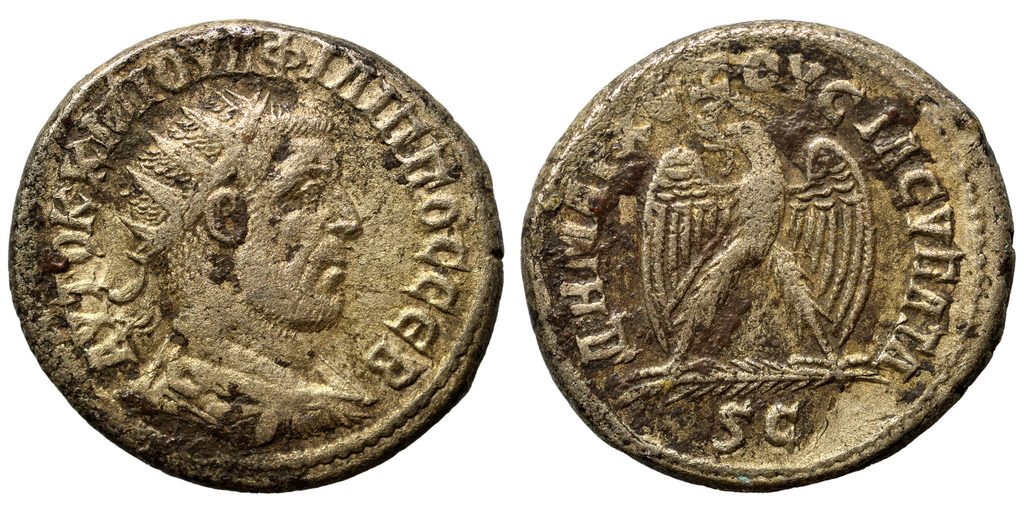
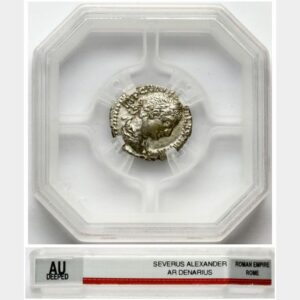
Ancient Roman coins are also among the most collected historical coins worldwide. Roman aurei, solidi, denarii and other denominations offer an extraordinary record of emperors, military victories and political changes.
Rare Roman gold aurei can be especially valuable. Coins connected to famous emperors, unusual historical events or exceptionally rare issues can attract intense competition from international collectors and museums.
For collectors, an ancient Roman coin is not simply an old piece of metal. It can be a surviving artifact from the reign of an emperor who shaped the history of Europe, North Africa and the Middle East.
The most valuable ancient coins usually possess a combination of qualities rather than a single defining feature. Extreme rarity is perhaps the most important. If only a handful of examples are known, collectors may compete aggressively for the opportunity to acquire one.
Historical provenance is another important factor. A coin connected to a famous collection, archaeological discovery or important historical period can command a substantial premium.
Finally, condition matters. Ancient coins were produced by hand, and surviving examples can show significant wear, clipping, corrosion or damage. An unusually well-preserved ancient gold coin with sharp inscriptions and attractive surfaces can therefore be exceptionally desirable.
The world’s most valuable ancient coins demonstrate how a tiny historical object can preserve enormous cultural and financial significance. From ancient Greek masterpieces and Roman gold aurei to the extraordinary Islamic gold dinars of the Umayyad Caliphate, these coins represent centuries of civilization, commerce, religion and political power.
For collectors and investors interested in rare ancient coins, valuable gold coins, Islamic coins, ancient Islamic gold dinars, Roman coins and Greek coins, the greatest appeal is ultimately the combination of rarity and history. A precious coin is not merely valuable because it contains gold—it can be valuable because it is an irreplaceable piece of human history.