Description
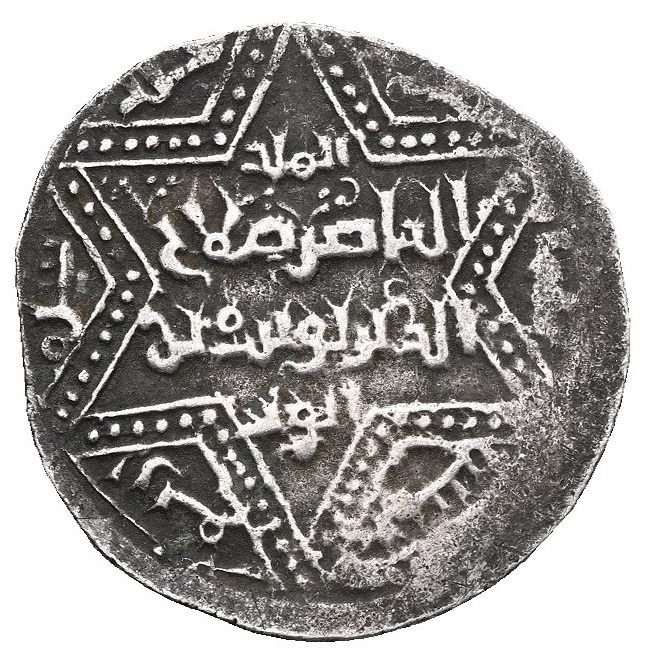
House of Emirates® is thrilled to offer its elite clientele this extraordinary, rare and Investment-grade Silver Dirham of Sultan Salah al-Din Yusuf ibn Ayyub (Saladin), struck in Halab in 564 AH, corresponding to 1168–1169 AD.
Coins from this precise year and mint are rare, born in a moment of strain and suspense—when minting was restricted, the air was heavy with military tension, power was shifting behind palace walls, and history itself stood on the brink. The last Fatimid Caliph, al-ʿĀḍid li-Dīn Allāh (العاضد لدين الله), still sat on Egypt’s throne when Saladin struck this dirham, quietly announcing the dawn of a new order.
564 AH (1168–1169 CE) sits right at the razor-edge of history. This is the year Saladin became vizier of Fatimid Egypt, while the Fatimid caliph al-ʿĀḍid was still alive. Power had shifted, but legitimacy had not yet been formally rewritten. Because of that:
-
Minting was cautious and limited. This was not a stable, celebratory reign—it was a tense transition.
-
Halab issues from 564 AH bearing Saladin’s name are particularly rare, especially silver dirhams.
-
Many mints were still operating under Fatimid conventions, and only a small number of experimental or transitional coins were struck.
-
Later Ayyubid coins (post-567 AH) are far more common by comparison, once Saladin consolidated power and restored Abbasid Sunni authority.
Struck in fine silver with a diameter of 22.7 mm and a weight of 2.9 grams, this dirham exemplifies the refined monetary standards of the 12th-century Islamic world. The calligraphy is deeply engraved and visually commanding, framed within the iconic star motif that symbolized unity, faith, and sovereignty. The mention of Halab, one of the most important mints of the medieval Islamic economy, elevates the significance of this piece even further.
For savvy investors, this rare Saladin silver dirham stands at the intersection of numismatics, geopolitics, and legacy wealth preservation. Saladin remains one of the most revered figures in both Eastern and Western history, admired for his military brilliance, chivalry, and statesmanship. Owning a coin struck during his lifetime—especially one dated to 564 AH in Halab—is akin to holding a tangible fragment of the Crusades era itself. Such pieces are increasingly recognized as alternative hard assets, combining cultural prestige with long-term scarcity and global demand. This is a cornerstone acquisition for any serious collection of Islamic, Crusader-era coins, or medieval silver coinage.